June 17, 2026
Oil Quenching in Heat Treatment: How Material Choice Impacts Process Stability
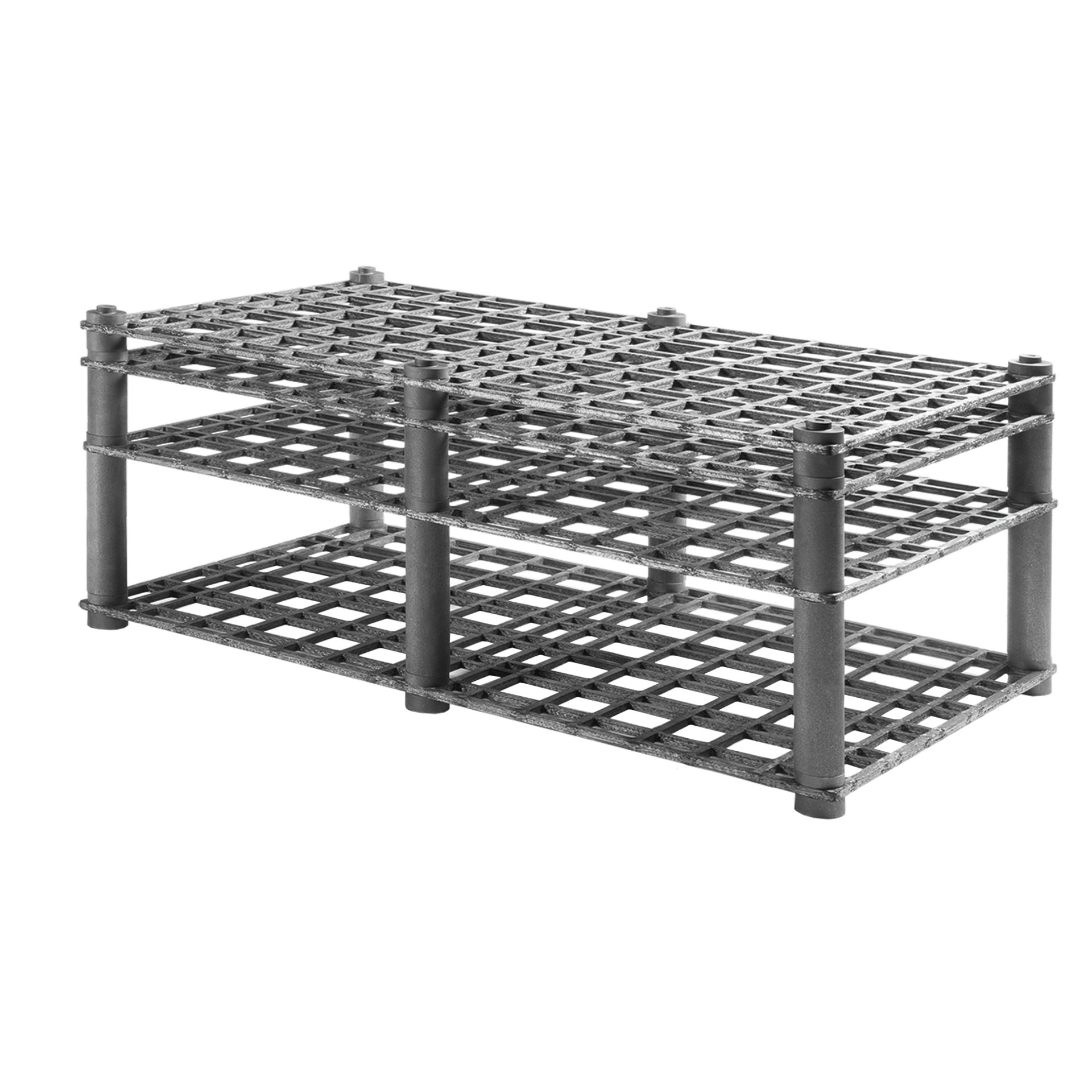
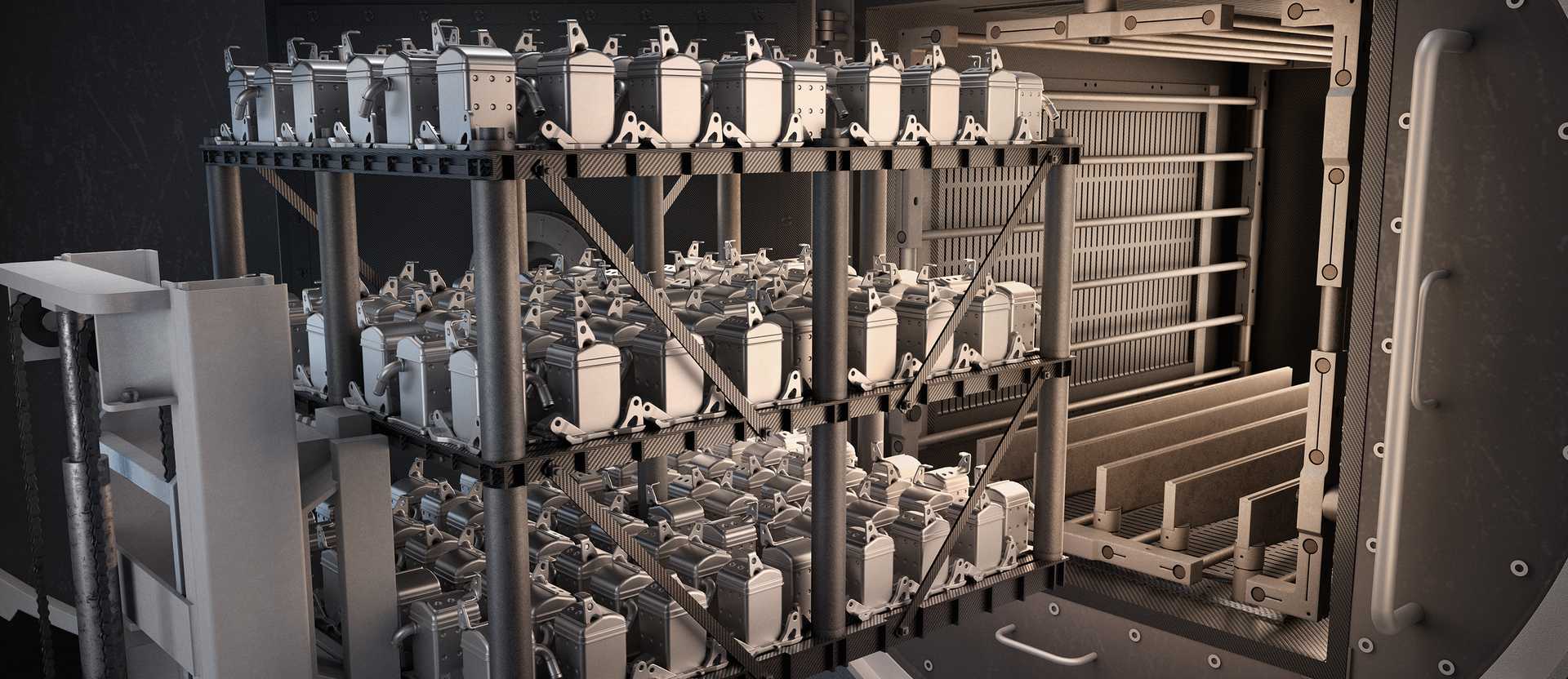
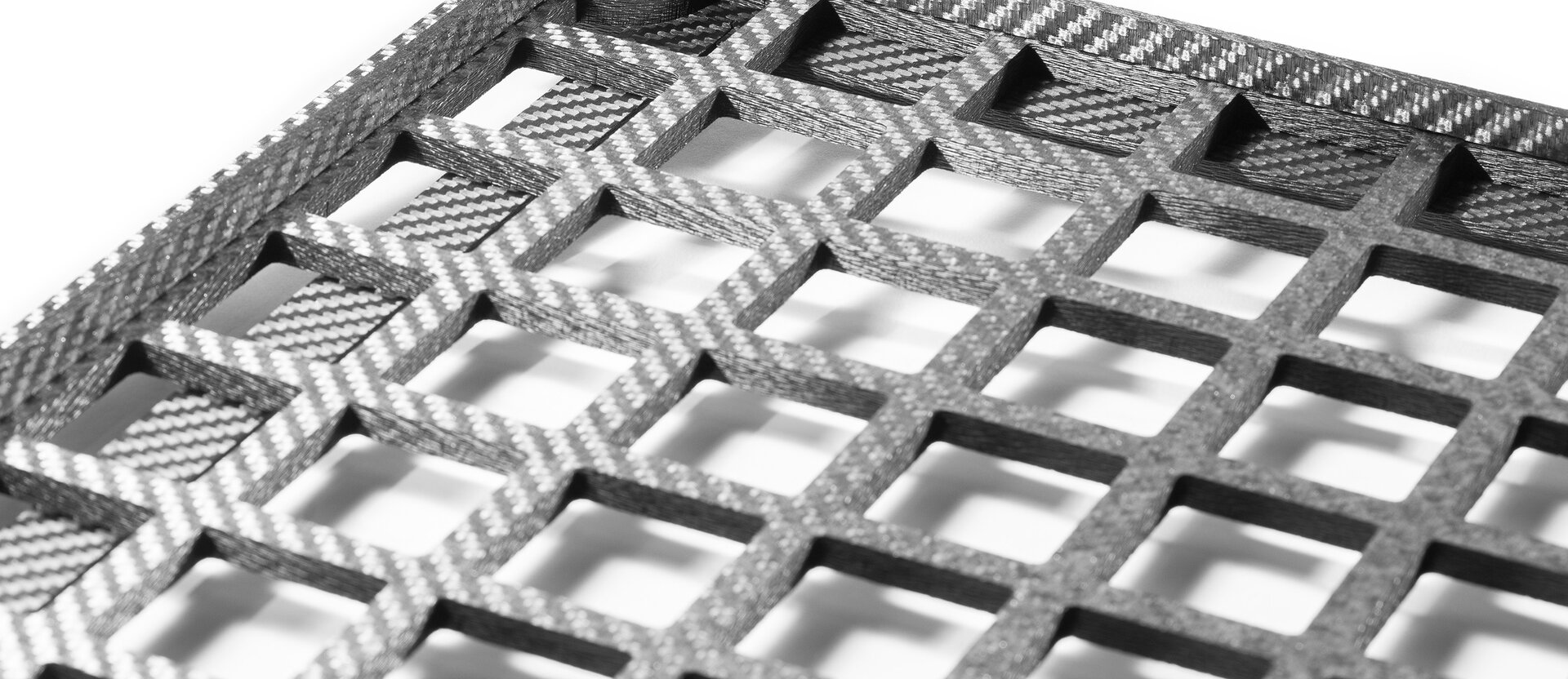
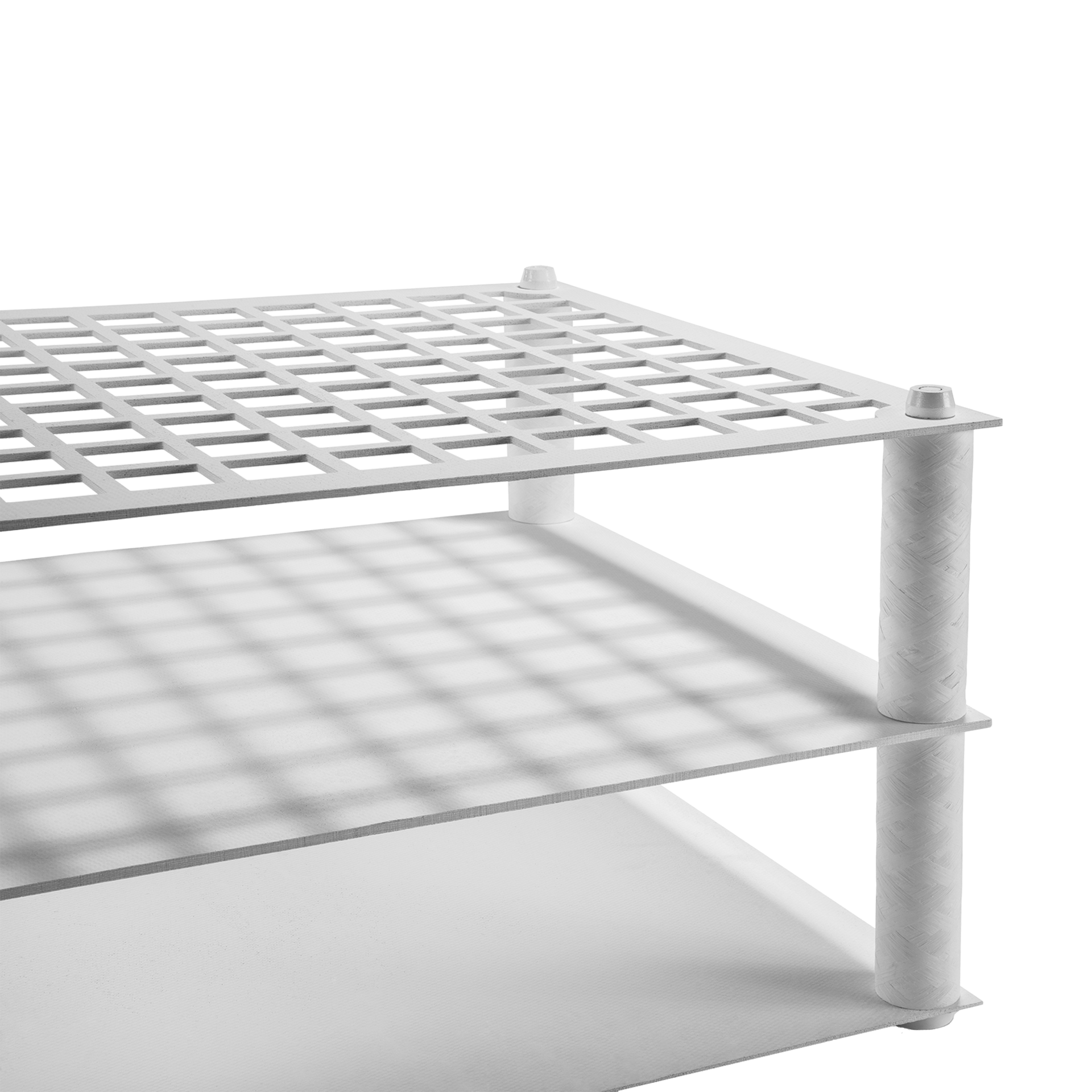
Oil quenching is a widely used process in heat treatment to achieve specific mechanical properties. It is essential for many components used in industries such as bearings, gears, and fasteners. At the same time, oil quenching introduces its own challenges. One factor that is often overlooked is how the quenching oil interacts with fixture materials. When porous materials are used, oil can enter the material structure during quenching. During subsequent heating cycles, this oil evaporates and can lead to soot formation and contamination inside the furnace. Over time, these effects impact process stability, maintenance effort, and overall efficiency.