RECOSiC: How Recycled Silicon Carbide Becomes a High-Performance Raw Material
Lesezeit: 4 Minute(n)
Datum: 2. Februar 2026
Semiconductors
Technical Ceramics & 3D Printing
Ansprechpartner
Blog Editorial Office
Content Management
Kontakt aufnehmen
Driving Sustainable Innovation at Schunk
Discover how the Schunk Group is shaping a more sustainable future through circular economy principles and advanced materials solutions. From reducing CO₂ emissions to pioneering industrial recycling technologies, learn more about our commitment to sustainability.
How the Schunk Group is pioneering sustainable materials – with a world-first SiC recycling plant in Germany
Silicon carbide (SiC) plays a key role in many high-tech industries – from semiconductors and solar systems to technical ceramics and abrasives. Its exceptional hardness and thermal resistance make it an essential material for demanding industrial applications.
However, the downside is significant: conventional SiC production is highly energy-intensive and has a major carbon footprint. Producing just one ton of SiC can emit up to 4.2 tons of CO₂, driven by both chemical reactions and the electricity required for production. In a global market increasingly focused on sustainability and resource efficiency, this is a growing concern.
This is exactly where the RECOSiC process comes in. Developed by ESK-SIC GmbH, a company of the Schunk Group, in partnership with Fraunhofer IKTS, RECOSiC enables the recovery of high-purity SiC from production residues – offering a significantly improved carbon balance and supporting true circular economy principles in industrial materials.
Europe's first Circular SiC Factory: Built in Frechen
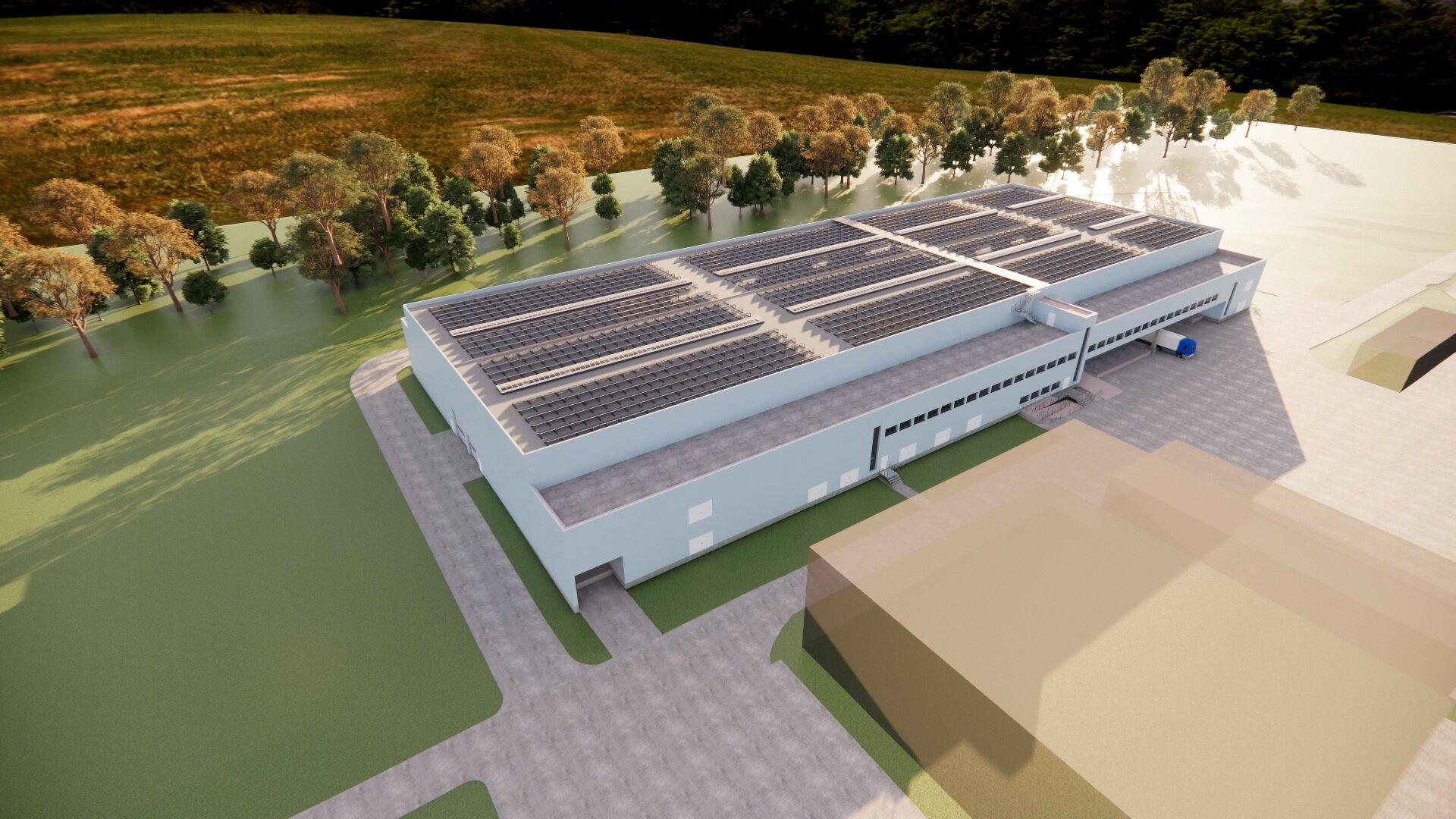
A globally unique project is currently taking shape in Frechen, near Cologne, Germany: the first silicon carbide factory in the world to operate entirely according to circular economy principles. The project is backed by €30 million in funding from the European Union’s Just Transition Fund (JTF) and the state of North Rhine-Westphalia.
The goal is to produce up to 6,000 tons of recycled raw SiC per year – energy-efficient, resource-conscious, and to the highest industrial quality standards. This marks a significant step toward a more sustainable and secure raw materials supply for Europe.
The Challenge: CO₂-Intensive SiC Production
For over a century, silicon carbide has been manufactured using the Acheson process. This traditional method consumes about 7.15 megawatt-hours of electricity per ton of SiC – roughly equivalent to a two-year energy supply for an average household. The process also emits up to 4.2 tons of CO₂ per ton of SiC, depending on the local energy mix.
In regions with fossil fuel-based electricity, the emissions are even higher. Conventional SiC production increasingly conflicts with the goals of modern, climate-conscious industrial policy.
The Solution: Material Recycling with RECOSiC
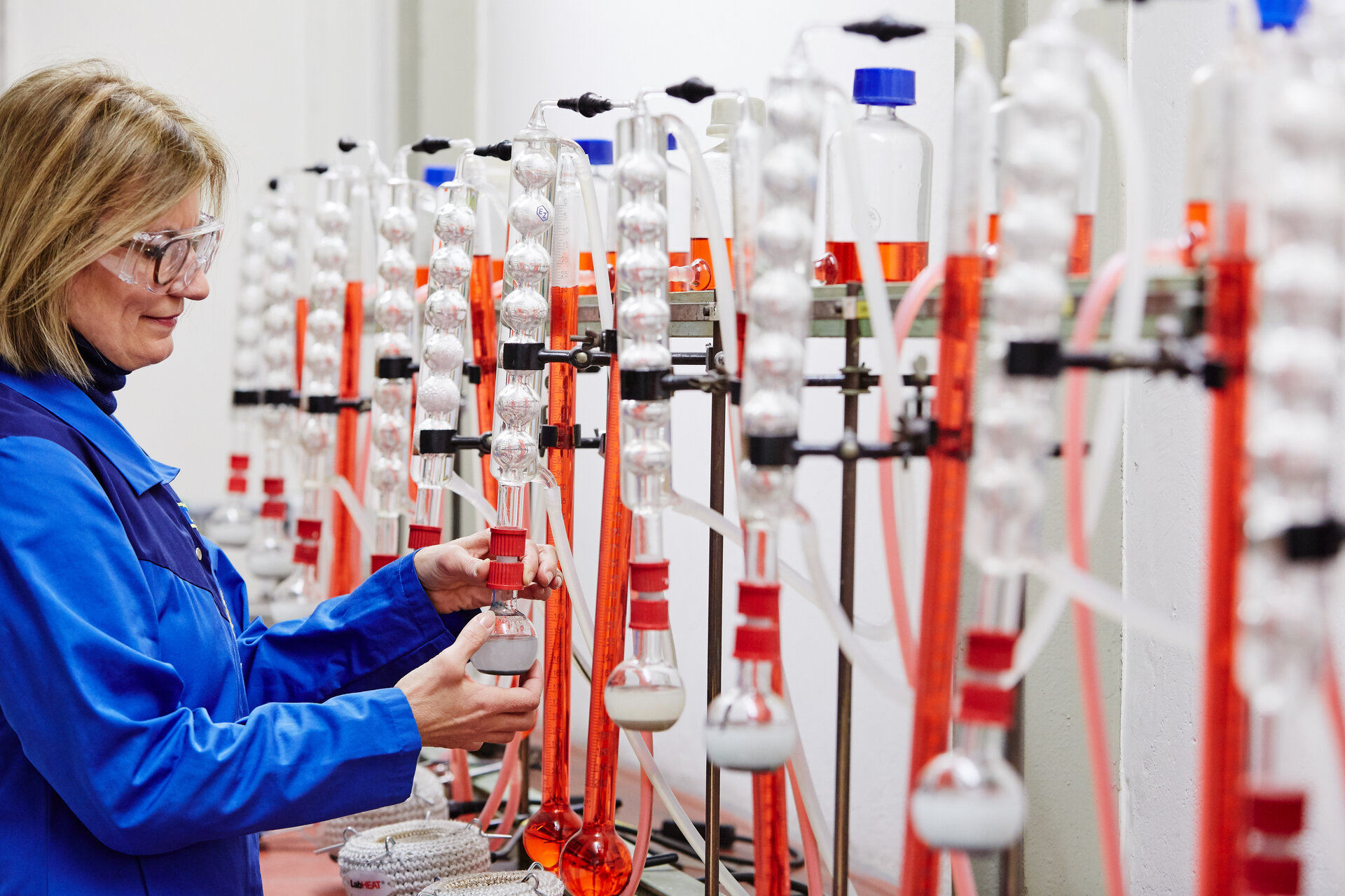
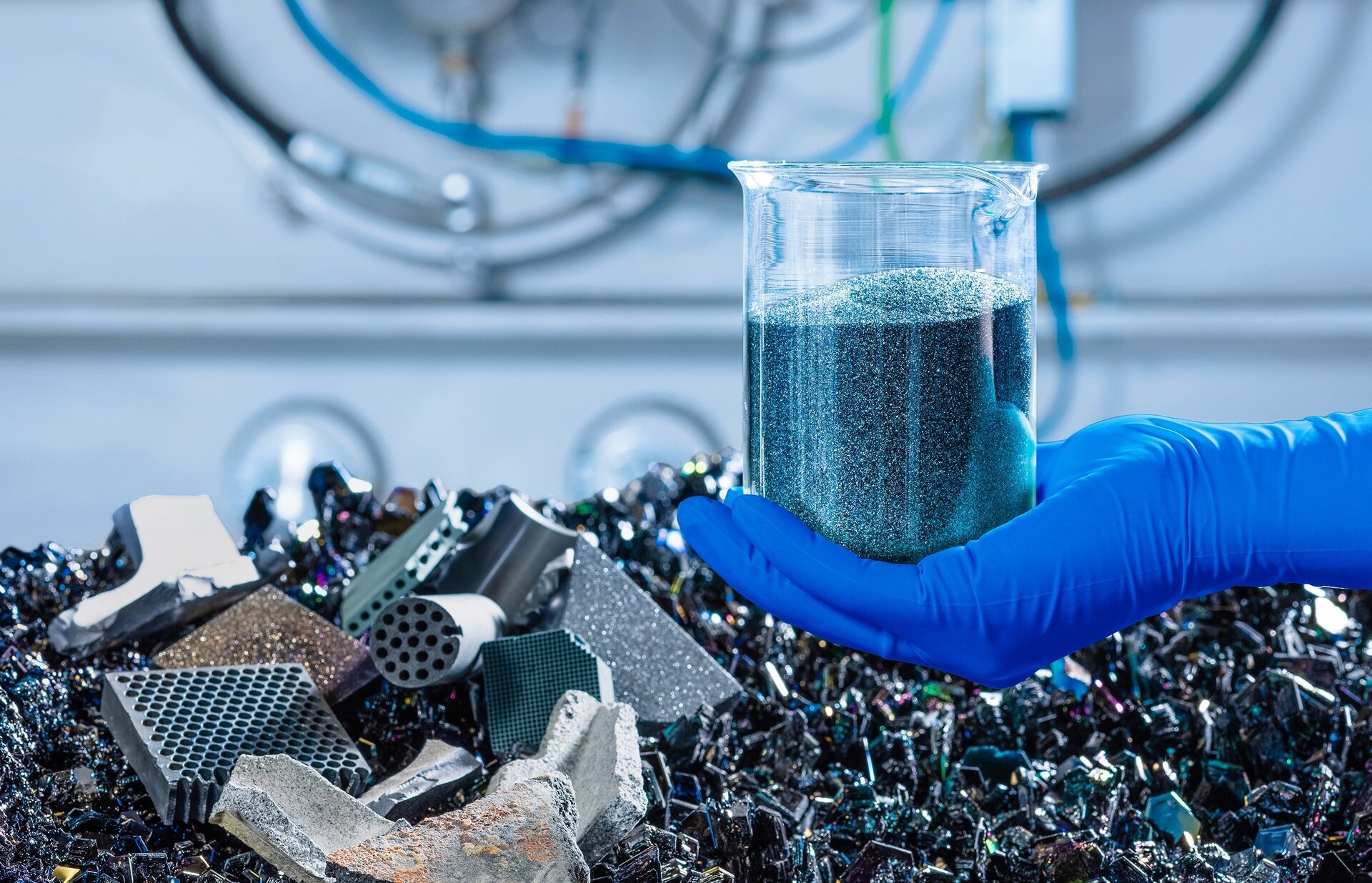
The patented RECOSiC process offers an innovative alternative. Instead of relying on primary raw materials, it recycles SiC-containing production residues and by-products, converting them into high-purity silicon carbide (>98%) using a specially designed thermochemical process.
The resulting recycled material is fully compatible with established SiC processing steps – with no loss of quality. In fact, the performance characteristics of RECOSiC products are comparable or superior to those of conventionally manufactured SiC.
Less CO₂, More Efficiency – and Industry-Ready Scalability
The benefits of RECOSiC are clear and measurable:
Less than 1 ton of CO₂ emissions per ton of recycled SiC
Minimal use of primary raw materials
Seamless integration into existing production processes
Scalable to industrial production volumes
RECOSiC helps decarbonize energy-intensive material processes, supports regional circular economies, and reduces dependence on global raw material imports.
What Project Leaders Are Saying
Matthias Hausmann, Managing Director of ESK-SIC GmbH, explains:
“The funding of our innovative RECOSiC process shows that when the technology is right, collaboration between industry and policymakers really works – in a reliable and cooperative way. With this support, we can now implement our future-oriented RECOSiC process at industrial scale.”
Dr. Lars Schnetter, Head of the Technical Ceramics Business Unit at the Schunk Group, adds:
“On behalf of the Schunk Group, I would like to thank the Ministry of Economic Affairs for the trust it has placed in us. The proactive, straightforward and fast support from policymakers and authorities is a real competitive advantage in North Rhine-Westphalia – not just for Schunk. That’s why we’ll continue to invest in the future of our sites in the region.”
Conclusion: A Flagship for Sustainable Materials Technology
Together with its subsidiaryESK-SIC GmbH, the Schunk Group is proving how climate-relevant processes in materials production can be reimagined – grounded in technology, economically viable, and urgently needed from an ecological standpoint.
The recycling plant now under construction in Frechen is much more than a pilot project. It’s a model for real circular economy in high-performance materials – made in NRW, scalable across Europe.
Get in Touch
Want to learn more about the RECOSiC process, its applications, or partnership opportunities?
The experts at ESK-SIC GmbH, a company of the Schunk Group, are here to help.
Discover our technical brochures in the media library now, featuring detailed information on silicon carbide, high-performance ceramic materials, and IntrinSiC® 3D printing.
Discover how the Schunk Group is shaping a more sustainable future through circular economy principles and advanced materials solutions. From reducing CO₂ emissions to pioneering industrial recycling technologies, learn more about our commitment to sustainability.