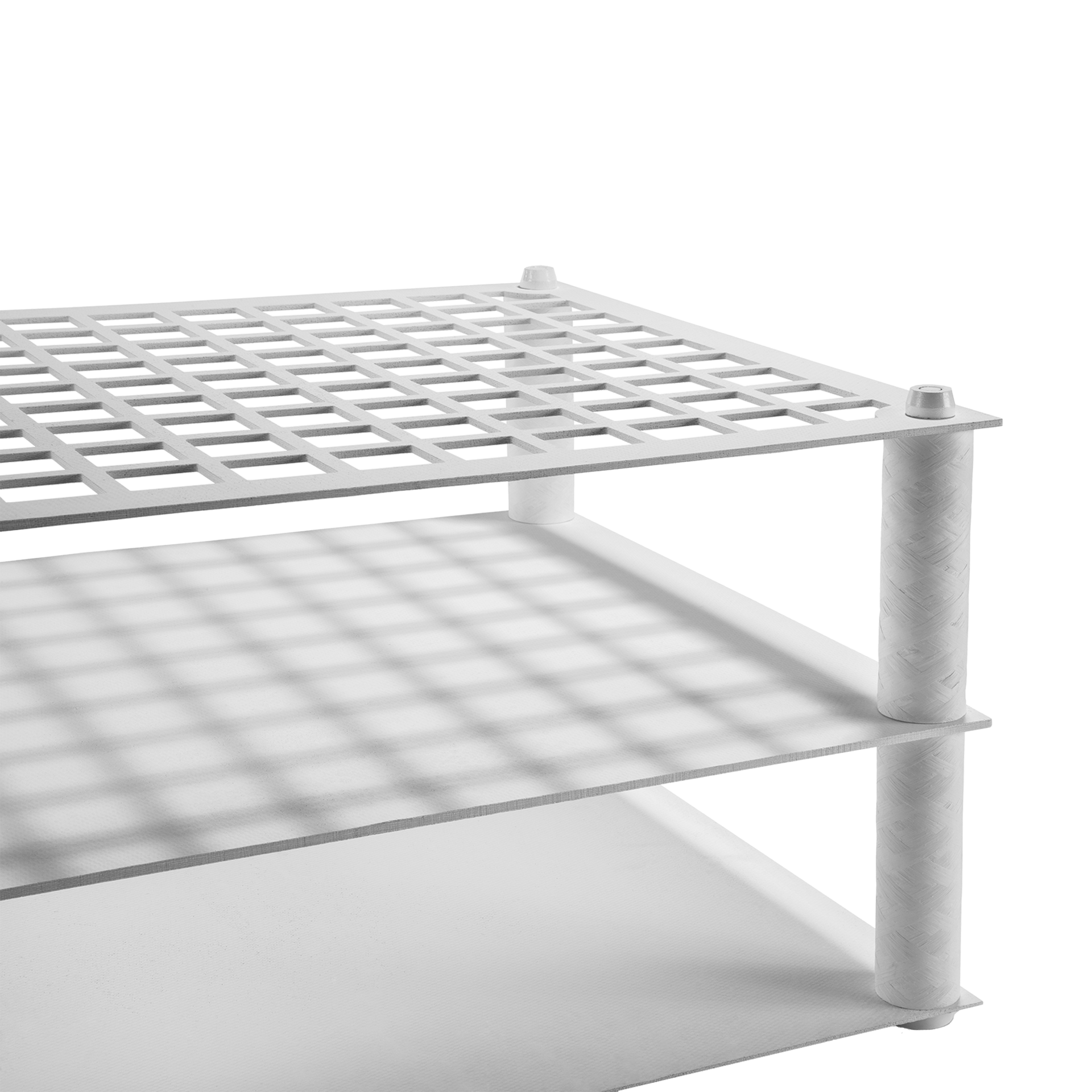
CFC as a key to more efficient and cost-effective high-temperature processes
Lesezeit: 3 Minute(n)
Datum: 30. März 2026
Machine Design
Ansprechpartner
Walid Toukabri
Market Segment Manager Heat Treatment
Kontakt aufnehmen
Increase efficiency in heat treatment: charging fixtures from Schunk
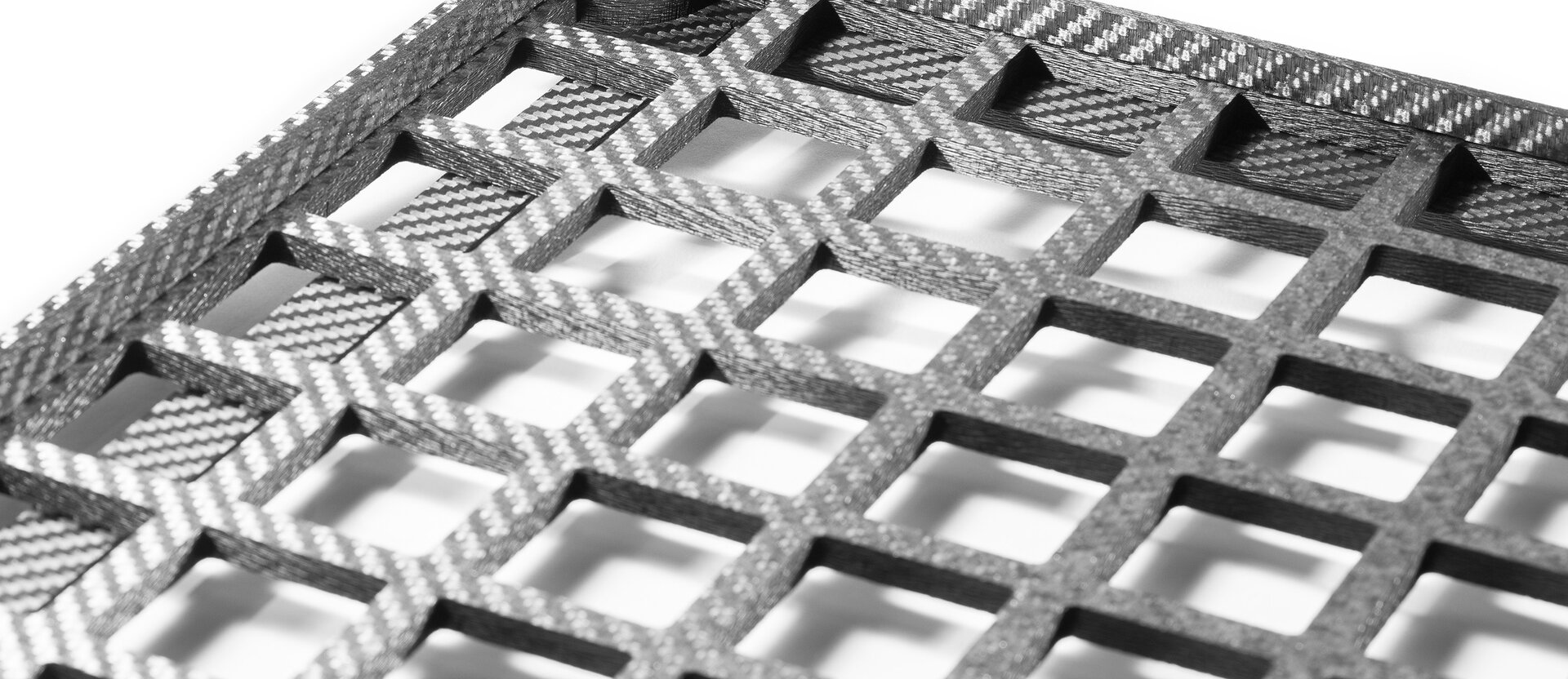
Boost the efficiency of your processes with innovative CFC charging fixtures. Thanks to their low weight, reduced thermal mass, and long service life, you can sustainably lower energy consumption and operating costs. Discover how Schunk solutions make your systems more efficient and productive.
Charge Carrier Systems in Comparison: Why CFC Outperforms Steel in High-Temperature Applications
In high-temperature processes such as vacuum brazing or hard soldering, material selection plays a critical role in both efficiency and cost-effectiveness. A factor often overlooked: the charge carrier system. This case study demonstrates why carbon fiber reinforced carbon (CFC) is not only a technical but also a financial advantage over conventional steel.
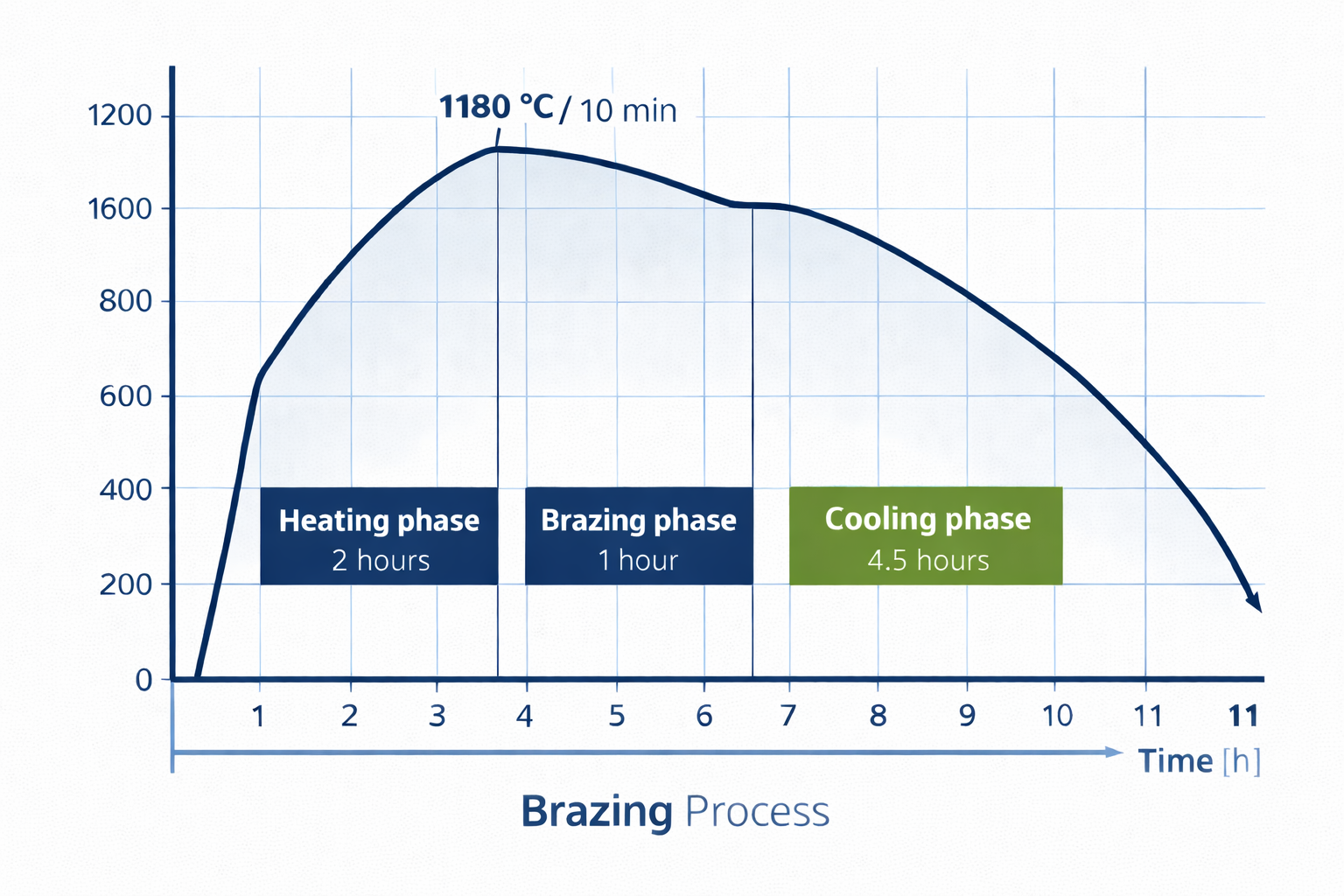
Process Setup: Brazing at 1,200 °C
The comparison is based on a brazing process at 1,200 °C under high vacuum conditions, with three production cycles per day.
Each cycle runs for eight hours:
Two hours heating
1.5 hours dwell time
4.5 hours cooling
This results in 750 furnace cycles per year – a typical load in industrial production environments.
Technical Comparison: Steel vs. CFC
Two charge carrier designs with six levels are compared:
Feature
Steel System
CFC System
Weight
125 kg
28 kg
Specific Heat Capacity
0.50 kJ/(kg·K)
0.71 kJ/(kg·K)
Construction
Bolted frame, U-beams
Modular base frame with integrated slats
Service Life
~1.5 years
> 2.4 years (depending on use)
Initial Investment
€7,500
€18,000
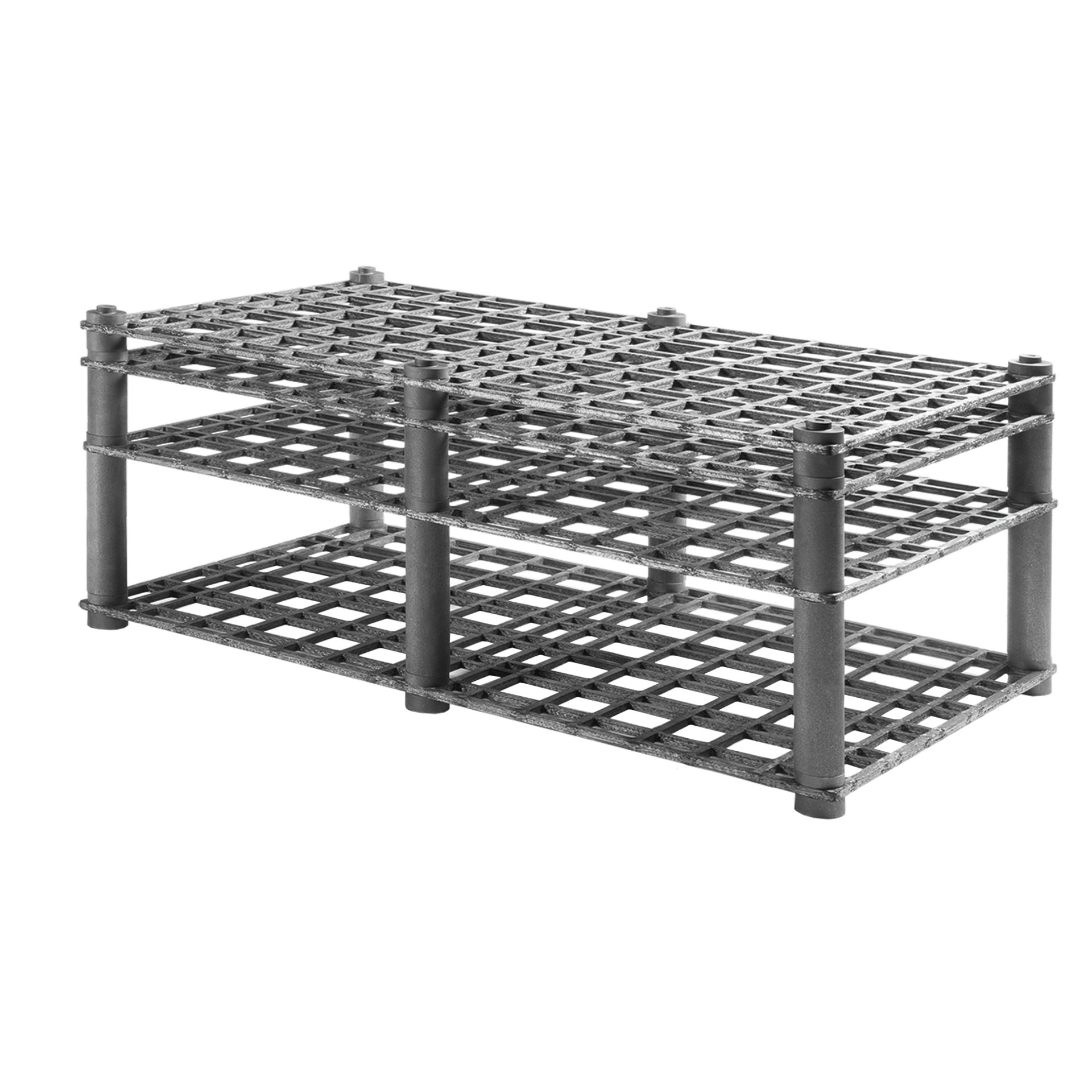
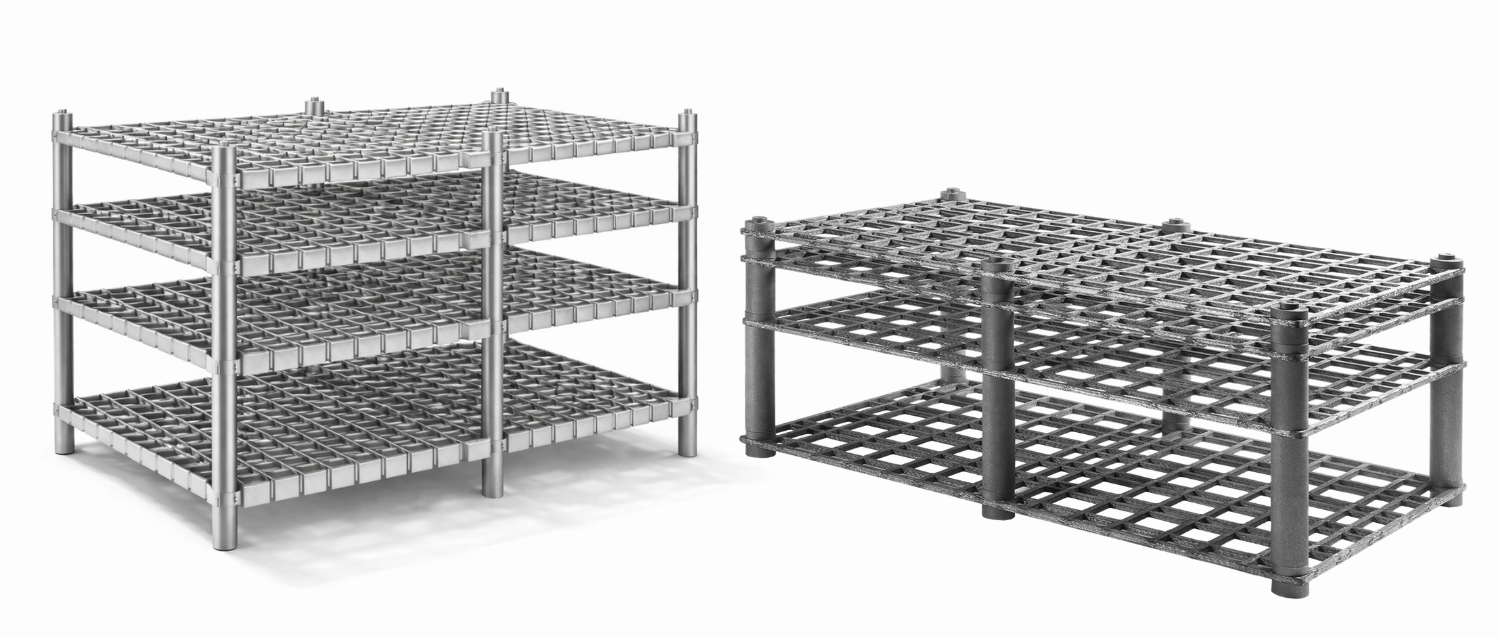
The CFC system is 97 kg lighter – a decisive advantage in thermal cycling and handling.
A visual comparison between a typical steel carrier (on the left) and a CFC carrier from Schunk(on the right).
Energy Consumption: CFC Requires Significantly Less Heat-Up Energy
Lower thermal mass means lower energy demand during furnace heat-up. Calculations show:
Steel:
125 kg × 0.50 kJ/(kg·K) × 1,180 K = 20.5 kWh
CFC:
28 kg × 0.71 kJ/(kg·K) × 1,180 K = 6.52 kWh
That’s an energy saving of ~14 kWh per cycle.
Multiplied by 750 cycles per year, this results in:
CFC charge carriers clearly outperform steel – especially in high-temperature processes with frequent furnace use. For manufacturers aiming to reduce energy costs and increase productivity, CFC is a strategic investment with rapid return.
Get expert advice on CFC fixtures and high-temperature applications
Are you looking to improve the efficiency of your high-temperature processes or sustainably reduce operating costs? Our experts support you in selecting and designing CFC fixtures – from initial analysis to integration into existing heat treatment processes. Discover the benefits of CFC or get in touch with our team directly.
Interested in more information?
Here you will find all relevant brochures, technical documents, and product information on CFC solutions for high-temperature and heat treatment processes.
Increase efficiency in heat treatment: charging fixtures from Schunk
Boost the efficiency of your processes with innovative CFC charging fixtures. Thanks to their low weight, reduced thermal mass, and long service life, you can sustainably lower energy consumption and operating costs. Discover how Schunk solutions make your systems more efficient and productive.