CFC and Graphite Replace Steel: Advanced Materials for Thermal Processing
Reading time: 4 Minute(s)
Date: January 14, 2026
Machine Design
Contact
Walid Toukabri
Market Segment Manager Heat Treatment
Contact
Contact
Björn Pfeffer
Product Manager Fixtures
Contact
Extreme temperatures, maximum efficiency: Carbon solutions for high-temperature processes by Schunk
Whether in heat treatment systems, sintering furnaces, or foundry processes, carbon materials from Schunk ensure stable, efficient, and reproducible high-temperature operations worldwide. Using high-performance materials such as graphite and CFC, combined with application-specific engineering, we develop solutions that make your processes temperature-resistant, energy-efficient, and durable.
Carbon Materials in High-Temperature Applications: Stability and Efficiency for Industrial Thermal Processes
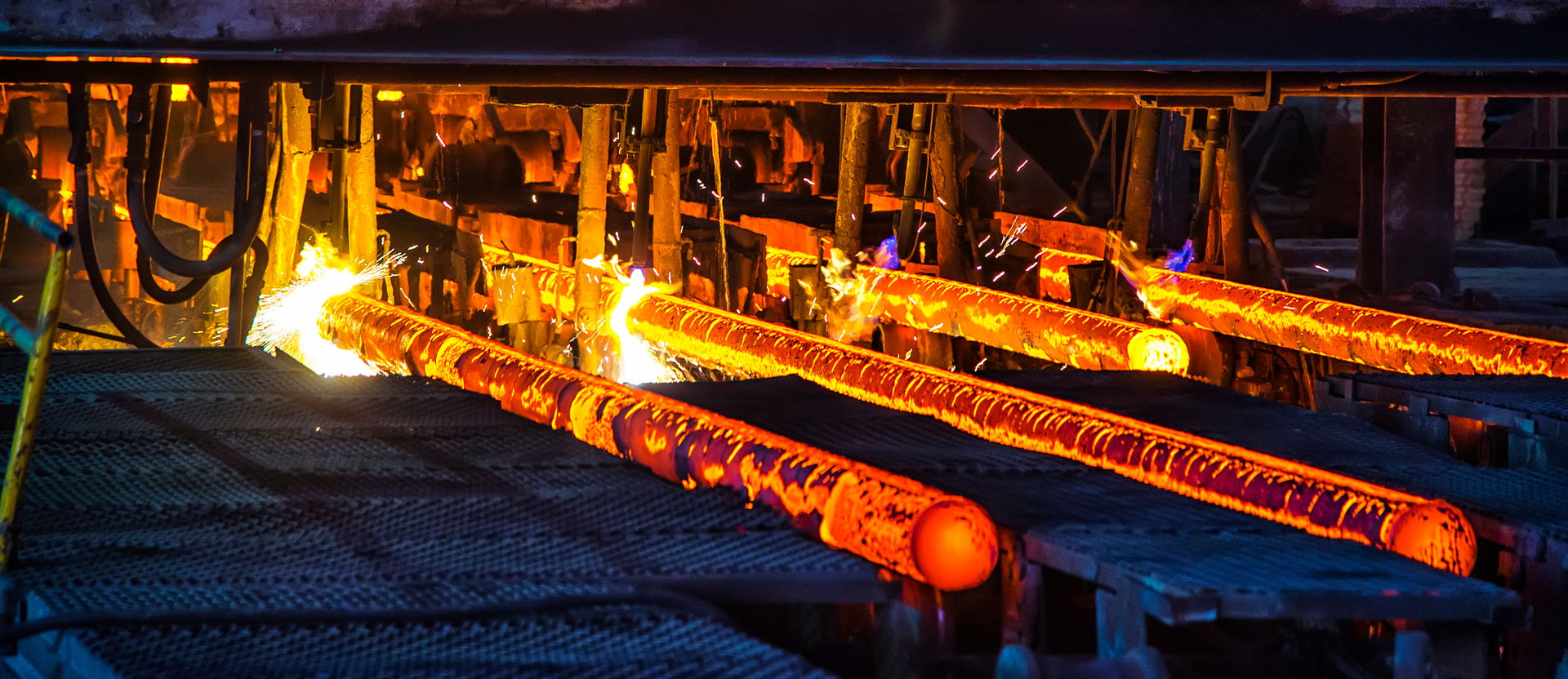
In industrial high-temperature processes, such as heat treatment in sintering furnaces, conventional materials like steel quickly reach their physical limits. Starting at around 800 °C, steel significantly loses strength and exhibits noticeable plastic deformation under mechanical load. This leads to sagging support structures and misalignment of components. The high thermal mass of massive steel components also extends heating and cooling times and results in considerable energy losses.
Limitations of Conventional Materials in Thermal Applications
Metallic materials such as heat-resistant steels lose their dimensional stability at temperatures above 800 to 1000 °C. Plastic creep, an irreversible, time-dependent deformation under constant temperature and mechanical load, can begin at approximately 40 to 50% of the material's melting temperature, depending on the specific alloy and loading duration.
These limitations highlight the need for alternative material solutions in thermally demanding applications, especially where mechanical integrity, dimensional stability, and chemical inertness at temperatures above 1000 °C are required.
Carbon Materials as Key Enablers in Furnace Engineering
High-performance carbon-based materials, particularly graphite and carbon fiber-reinforced carbon (CFC), offer outstanding properties in this context. They remain dimensionally stable at extreme temperatures, are chemically inert in inert or reducing atmospheres, and are characterized by low specific weight and low heat capacity. This unique combination makes them ideal for use in heat treatment systems, sintering processes, and foundry applications.
Technical Advantages of Graphite and CFC at a Glance
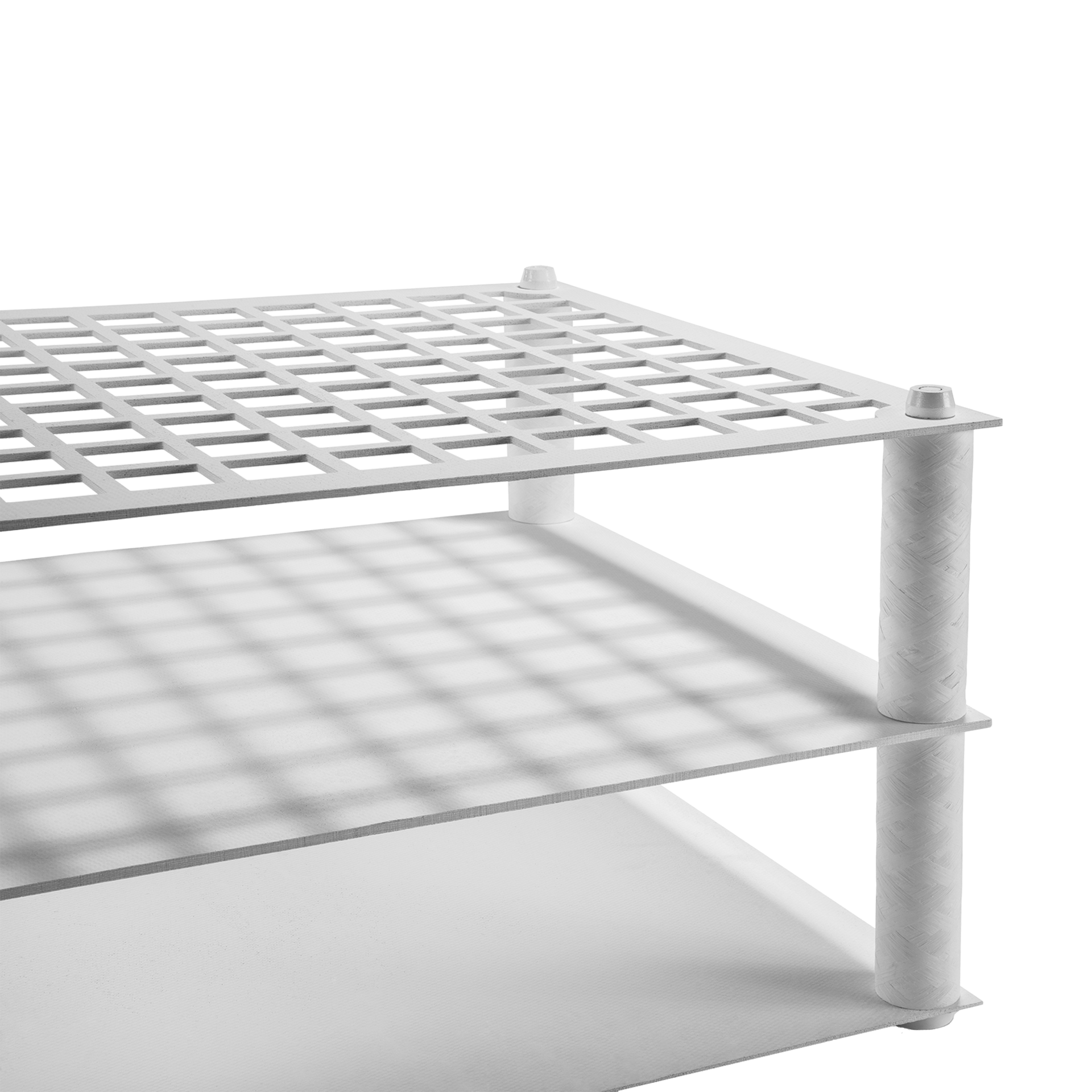
1. Thermal and Dimensional Stability CFC components maintain their mechanical strength even at operating temperatures up to 2000 °C. Deformations such as sagging or structural failure, which are common with metallic support structures, are effectively avoided.
2. Low Thermal Mass With only around 20% of the density of steel, the thermal mass of CFC is significantly reduced. This leads to faster heating and cooling cycles, improved energy efficiency, and shorter overall process times. The effect may vary depending on the geometry and system design.
3. Thermal Shock Resistance CFC resists rapid temperature changes without cracking or structural damage. Unlike metals, carbon components do not exhibit thermal fatigue or intergranular embrittlement, making them highly durable in dynamic thermal environments.
4. Chemical Inertness Within the relevant temperature range, graphite and CFC are inert to most process media. No scale forms, and there are no undesirable reactions with the processed material. This is a critical factor for achieving reproducible processes and maintaining high product purity.
Applications in Heat Treatment and Foundry Technology
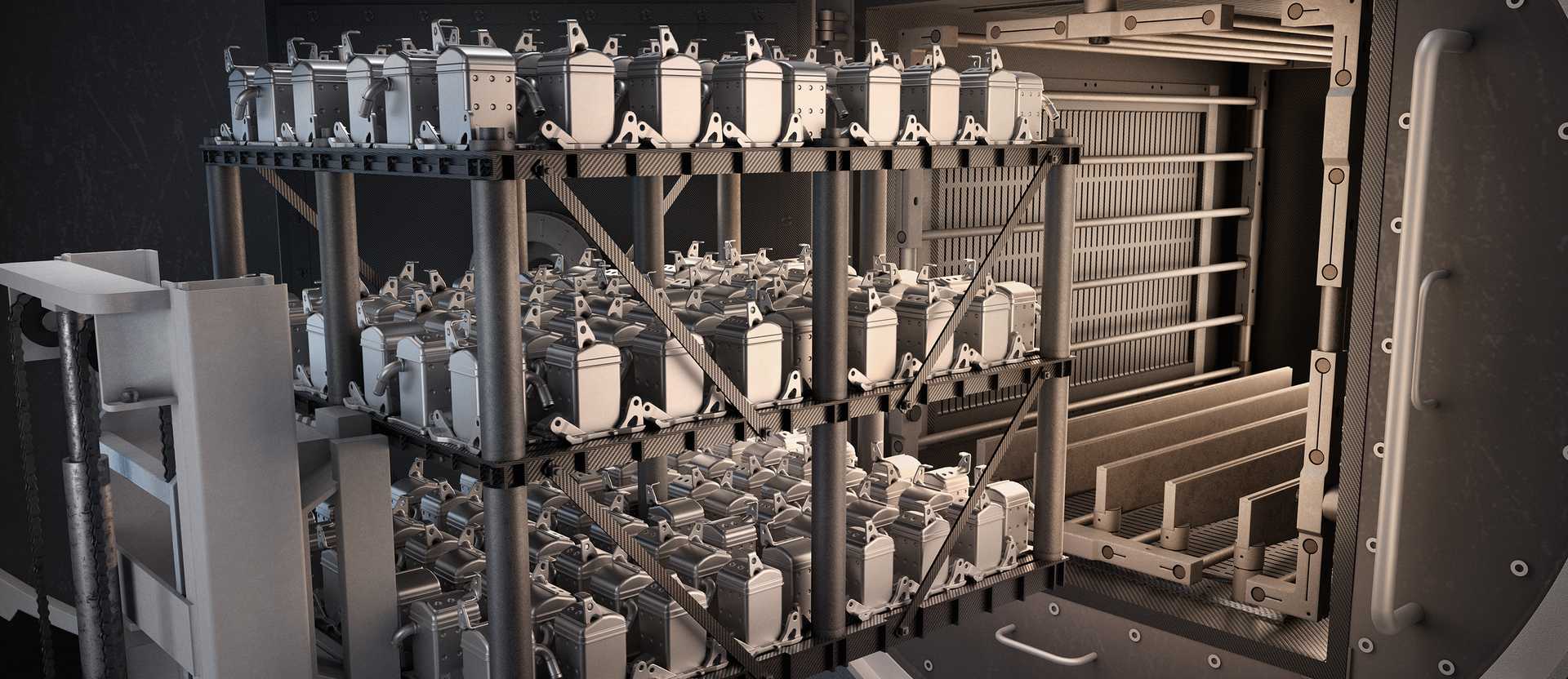
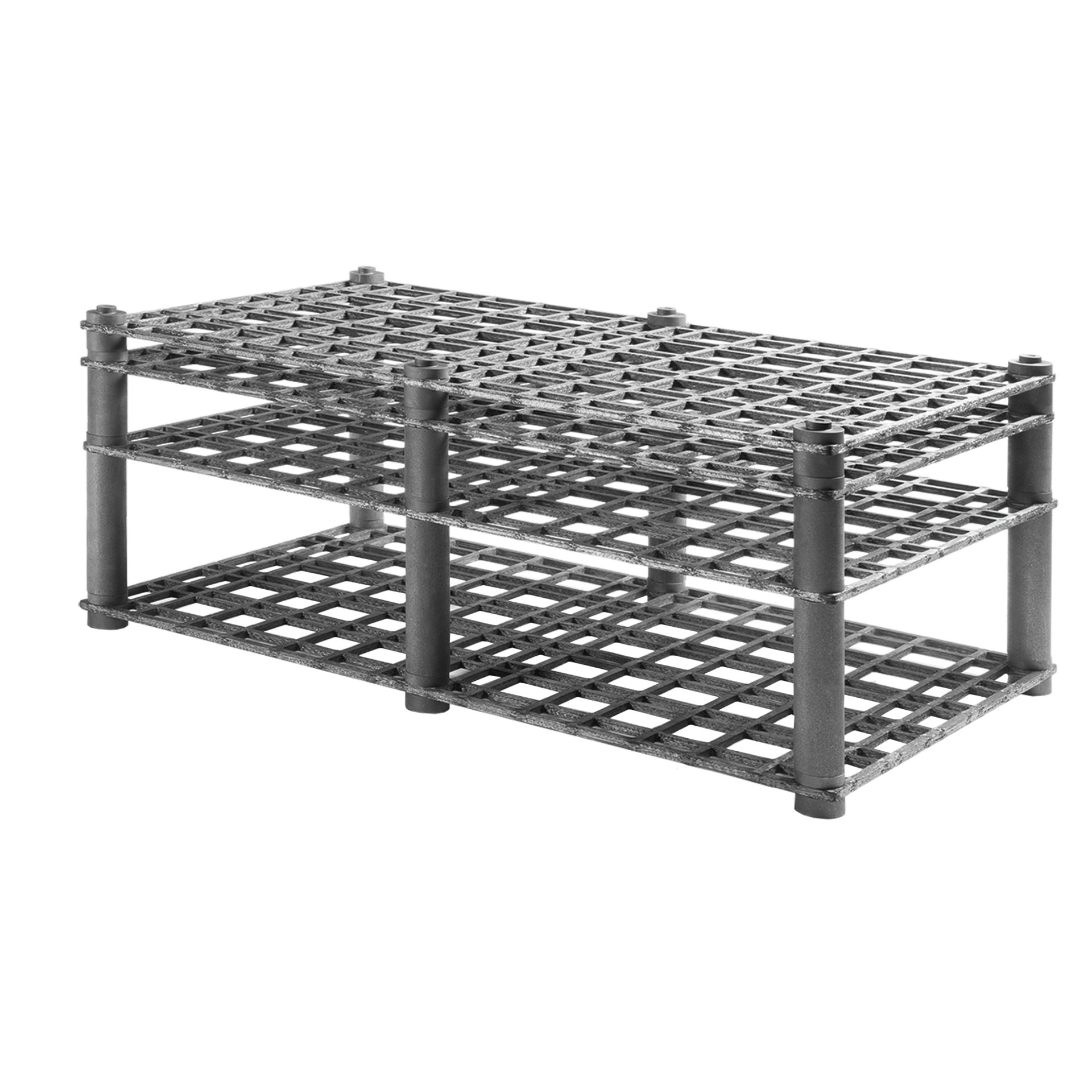
In modern heat treatment systems, carbon materials are increasingly replacing conventional metallic furnace components. CFC charge carriers, in particular, enable stable process conditions while reducing energy consumption. Their high-temperature resistance prevents geometric deformation during heat treatment cycles, and their low weight minimizes the thermal inertia of furnace loads. The result is greater process efficiency, shorter cycle times, and consistent product quality.
Carbon components are also successfully used in foundry and sintering applications. Graphite molds allow for the clean casting of molten metals, especially non-ferrous alloys such as aluminum or copper alloys, without reacting with the mold material. In sintering systems, CFC structures offer high stiffness at low weight, enabling thin-walled designs and promoting uniform heat distribution within the furnace. Additionally, CFC exhibits very low thermal expansion, which further enhances dimensional stability. In processes subject to both thermal and mechanical stress, such as hot pressing, CFC components demonstrate long-term strength and cycle stability.
Future-Proof Thermal Processes with Carbon Technology
The use of carbon materials such as CFC and graphite makes a substantial contribution to improving efficiency and process reliability in high-temperature applications. They enable more precise thermal control, reduce downtime, and increase system availability.
With more than 100 years of experience in carbon technology, Schunk is a leading partner for demanding high-temperature solutions. The company combines deep materials expertise with application-specific engineering and supports industrial customers worldwide in making their thermal processes more economical, robust, and future-ready.
Get expert advice – Schunk develops your optimal carbon solution
Are you looking for the right carbon material for your high-temperature application? Our experts will be happy to advise you – from proven standard graphite components to custom CFC solutions for demanding thermal processes. Explore our portfolio or get in touch with our team directly.
Interested in further information? Here you will find all relevant brochures and documents on the use of carbon materials in industrial high-temperature and heat-treatment processes.
Extreme temperatures, maximum efficiency: Carbon solutions for high-temperature processes by Schunk
Whether in heat treatment systems, sintering furnaces, or foundry processes, carbon materials from Schunk ensure stable, efficient, and reproducible high-temperature operations worldwide. Using high-performance materials such as graphite and CFC, combined with application-specific engineering, we develop solutions that make your processes temperature-resistant, energy-efficient, and durable.