2.8 MW Charging Power for 14.5 MWh: Schunk SLS 201 in Operation in Australia
Lesezeit: 4 Minute(n)
Datum: 29. April 2026
Mobility
Ansprechpartner
Timo Staubach
Head of Battery Driven Vehicles
Kontakt aufnehmen
Experience high-power charging in real-world applications
Discover how Schunk charging solutions are used worldwide in demanding applications – from electrified heavy-duty transport to high-performance industrial environments. Our reference projects demonstrate how scalable charging infrastructure, robust contacting, and intelligent system integration deliver reliable performance in daily operation.
2.8 MW for 14.5 MWh: Schunk Smart Charging in Western Australia
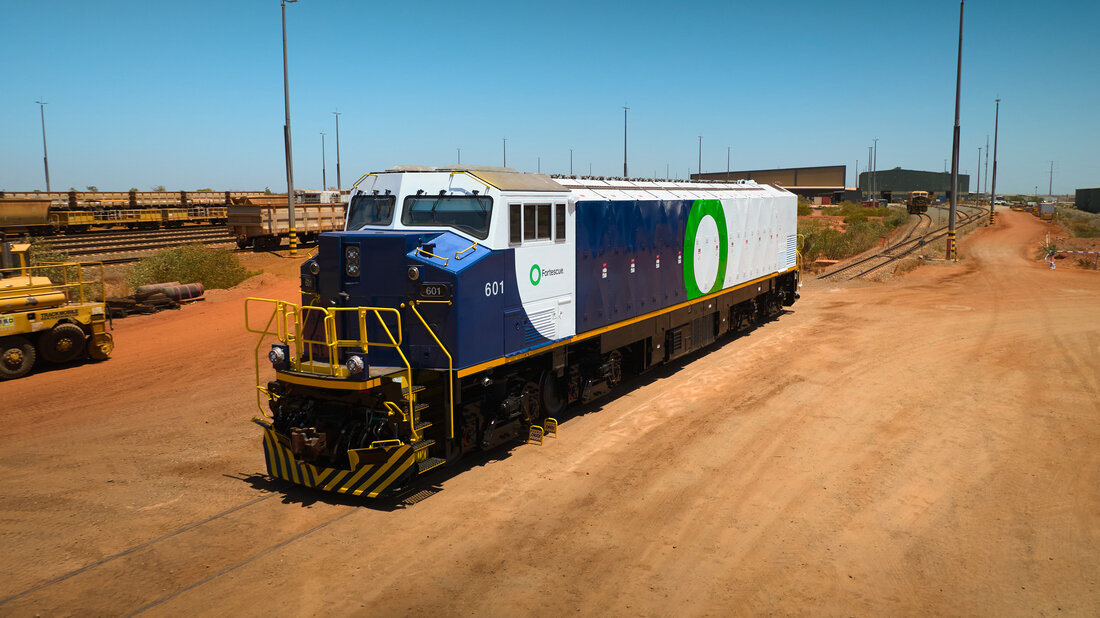
In the Pilbara region of Western Australia, two 14.5 MWh Battery Electric Locomotives (BELs) from Progress Rail, A Caterpillar Company, are now in regular operation. Charging is handled by four Schunk SLS 201 systems installed in parallel, providing up to 2.8 MW of total charging power. The installation brings megawatt-level charging into day-to-day heavy-haul rail service.
Electrification in a Mining Environment
Pilbara is one of the world’s leading mining regions. Rail operations here involve long distances, high train loads, and demanding environmental conditions. Equipment must be built for continuous operation.
The Battery Electric Locomotives contribute in several measurable ways:
Approximately 1 million liters of diesel saved per year
40–60% energy recovery through regenerative braking
Reduced diesel handling and associated maintenance
Operation powered by renewable energy via Pilbara Energy Connect
Together, energy storage, regenerative braking, and renewable supply form a system designed for industrial-scale use.
Four SLS 201 Systems Enable 2.8 MW Charging
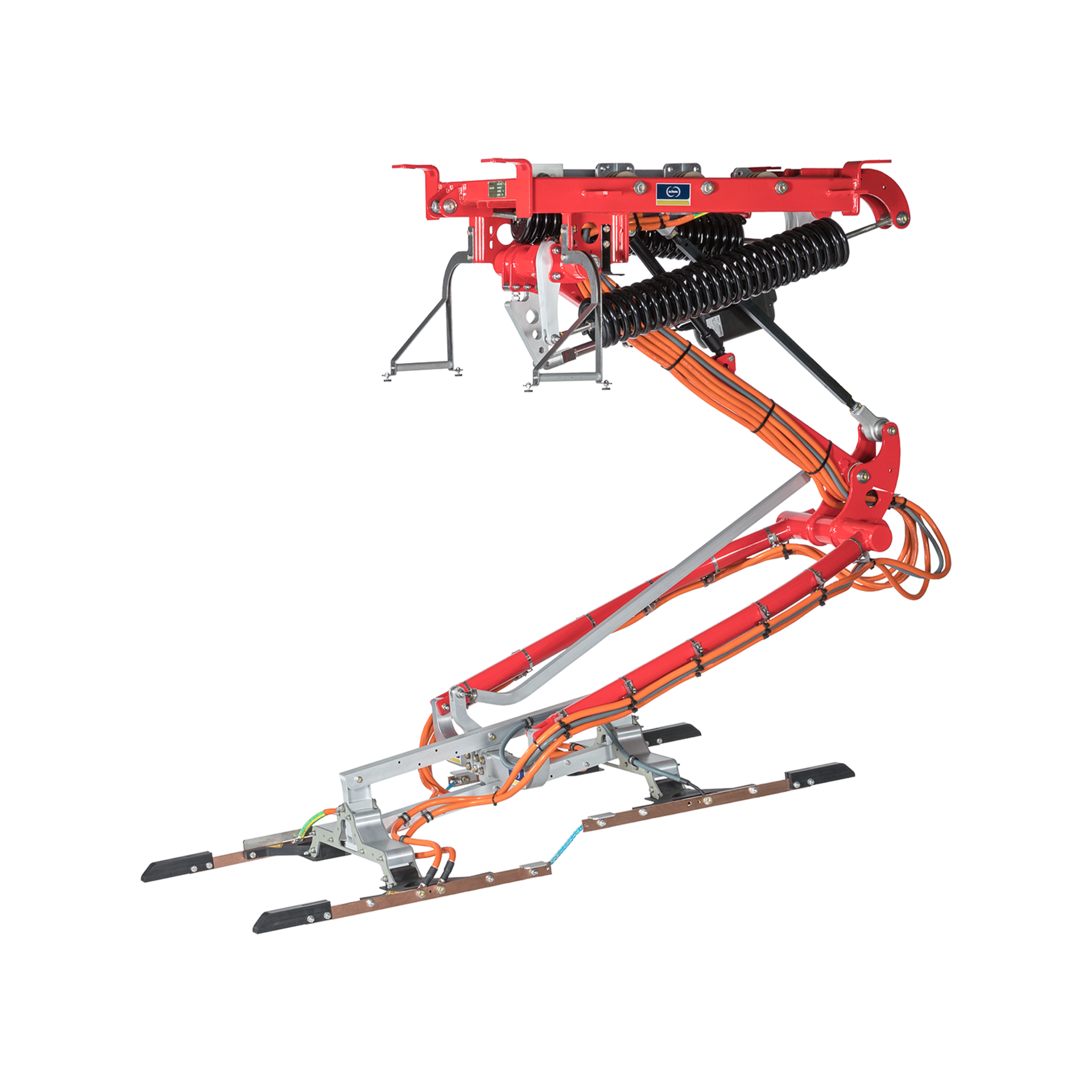
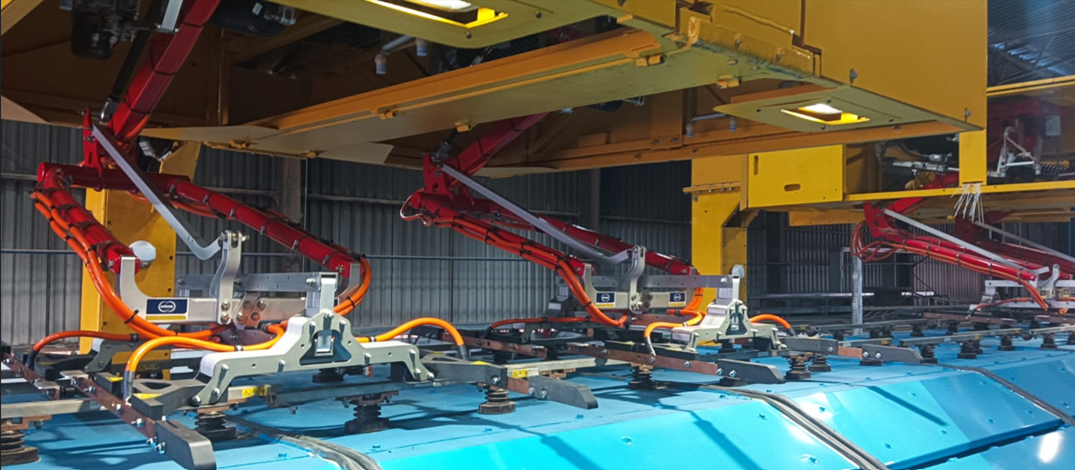
A 14.5 MWh battery requires high charging power to keep dwell times short. Progress Rail uses four Schunk SLS 201 Inverted Pantograph systems connected in parallel to reach up to 2.8 MW.
The SLS 201 was originally developed for high-power opportunity charging in electric bus fleets. Its modular design and parallel capability allow the same platform to be scaled for rail applications in the megawatt range.
In this configuration, the moving component is mounted on the stationary charging structure, while the locomotive carries a compact contact rail. This keeps vehicle-side systems simple and establishes a defined mechanical and electrical interface.
At megawatt levels, consistent current transfer is critical. Parallel operation increases current-carrying capacity and supports stable performance, even in heat, dust, and heavy-duty operating conditions typical of mining environments.
Charging Infrastructure as a Practical Requirement
Large Battery Electric Locomotives are only viable with matching infrastructure. For heavy-haul rail, that means:
High continuous power delivery
Mechanically stable current collection
Automated connection
Integration into existing yard and depot processes
By scaling a proven bus charging system into the megawatt range, the SLS 201 platform supports freight rail electrification without fundamentally changing operating procedures.
Part of Active Rail Operations
The Battery Electric Locomotives in Western Australia are not part of a pilot program. They operate within an active heavy-haul logistics network.
The combination of 14.5 MWh onboard storage, regenerative braking, renewable power supply, and 2.8 MW high-power charging shows how electrification can be integrated into large-scale rail operations.
For Schunk, the project reflects the transfer of established high-power charging technology into demanding rail applications — engineered for durability and high availability.
Photo: Fortescue
Conclusion
Megawatt charging for freight rail is no longer theoretical. In Pilbara, 14.5 MWh Battery Electric Locomotives are charged at up to 2.8 MW as part of regular heavy-haul service.
By operating four SLS 201 systems in parallel, Schunk scales proven fast-charging technology to meet the requirements of rail applications in the megawatt range.
FAQ: High-Power Charging for Battery Electric Locomotives in the Pilbara Region
Where is the project located?
The project is based in the Pilbara region of Western Australia, one of the world’s most significant mining areas with extensive heavy-haul rail operations.
What is the energy capacity of the locomotives?
Each Battery Electric Locomotive has an energy storage capacity of 14.5 MWh, placing it among the largest land-based mobile battery systems currently in operation.
What charging power is provided?
The installation delivers up to 2.8 MW of charging power, achieved by operating four Schunk SLS 201 systems in parallel.
Why is megawatt charging necessary for heavy-haul rail?
Large onboard batteries must be recharged quickly to maintain operational efficiency. Megawatt-level charging reduces dwell times and supports continuous industrial service.
What is the role of the Schunk SLS 201?
The SLS 201 is an inverted pantograph system originally developed for electric bus charging. In this project, multiple units operate in parallel to provide megawatt-level charging for rail applications.
What is the impact on diesel consumption?
According to the operator, the locomotives reduce diesel use by approximately 1 million liters per year, with 40–60% of energy recovered through regenerative braking.
Interested in more information?
This real-world deployment in Australia demonstrates how Megawatt Charging is already enabling the electrification of heavy rail applications today.
Learn more about the Schunk SLS 201, its technical specifications, and real-world applications in high-power charging – on the product page with all the details about the solution.
Experience high-power charging in real-world applications
Discover how Schunk charging solutions are used worldwide in demanding applications – from electrified heavy-duty transport to high-performance industrial environments. Our reference projects demonstrate how scalable charging infrastructure, robust contacting, and intelligent system integration deliver reliable performance in daily operation.