Electric bus charging in Krakow: how different buses and chargers work together
Buses from Solaris and Irizar. Charging systems from Medcom, ZPUE Włoszczowa and Ekoenergetyka. For MPK Kraków, all of them have to work together in daily operation without any interruptions and high availability.
This is a common challenge as electric bus fleets grow. Vehicles and charging infrastructure are added over time, often from different suppliers, while the charging process still needs to remain consistent.
In Krakow, Schunk Smart Charging provides the conductive interface between the buses and the charging infrastructure. The system has been in operation since 2017.
around 30 charging cycles per day and per charging station
charging systems from Medcom, ZPUE Włoszczowa and Ekoenergetyka
These figures reflect an infrastructure that has developed over time and now combines several vehicle and charging technology suppliers.
One charging interface for different vehicles and chargers
For MPK Kraków, interoperability is a practical requirement.
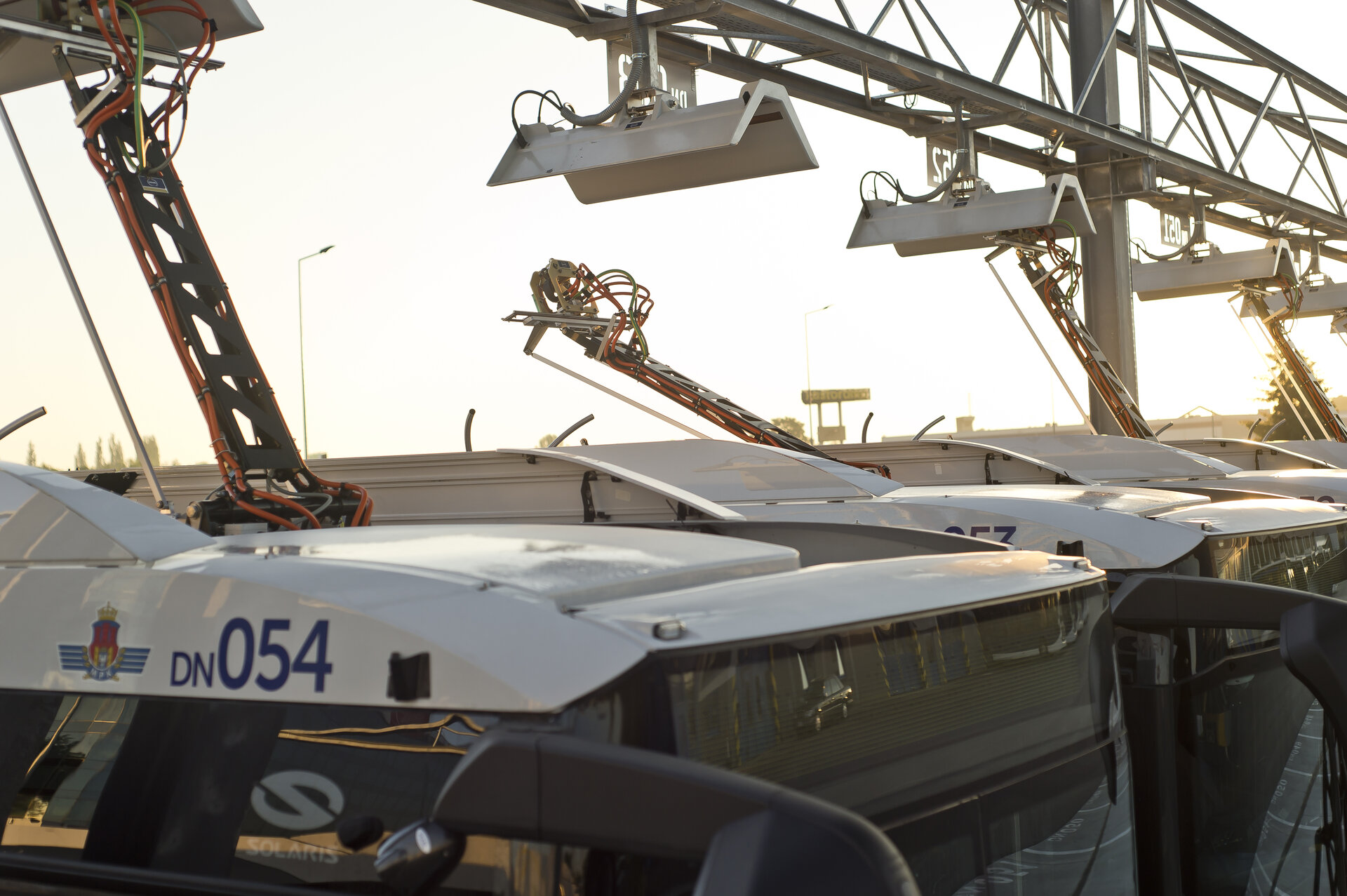
Schunk supplies the pantographs and contact domes that create the physical connection between vehicle and charging station - all compliant to common standards like EN50696.
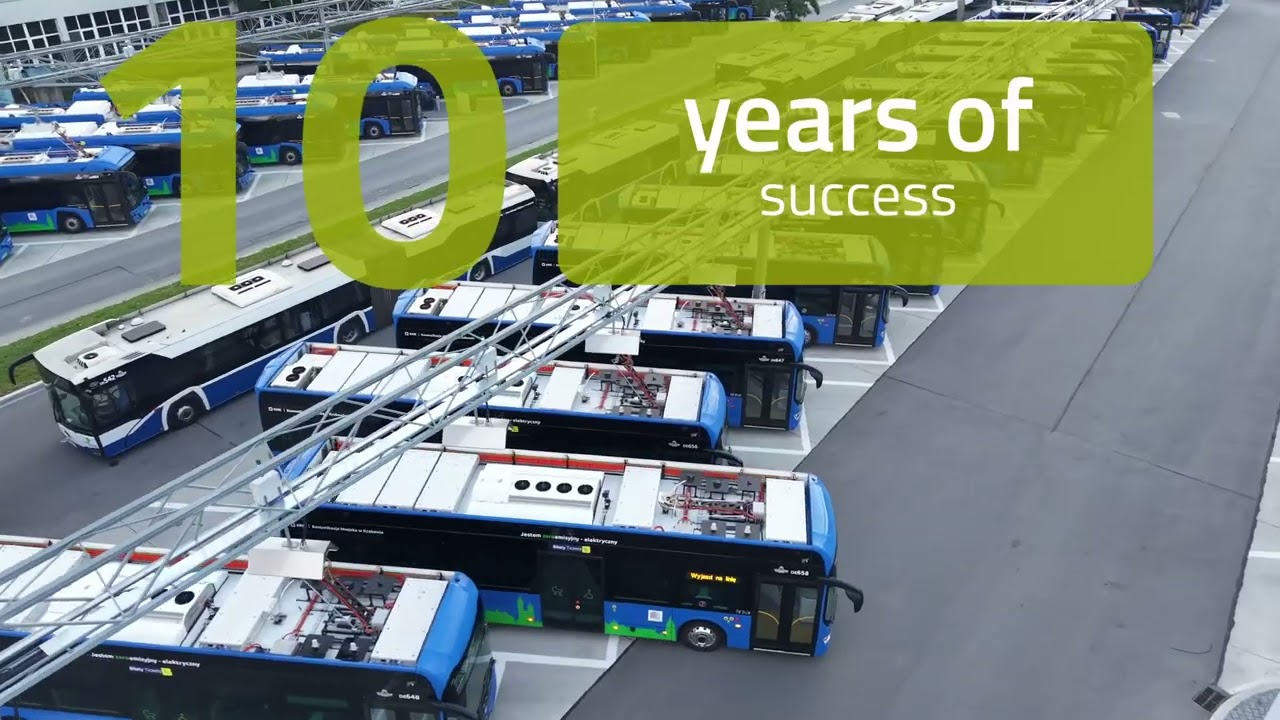
The roof-mounted pantograph operates according to the bus-up principle. At the charging point, it extends from the vehicle roof and connects automatically with the contact dome above the bus.
No charging cable has to be connected manually. Once charging is complete, the pantograph retracts and the bus can continue its route.
A consistent interface also gives the operator more flexibility when adding vehicles or charging equipment to the network.
Opportunity charging during daily service
Charging an electric bus fleet has to fit the timetable.
Krakow uses 19 outdoor opportunity charging points where buses can recharge during the day. Around 30 charging cycles take place daily on each of those stations.
This allows vehicles to take on additional energy between journeys instead of returning to the depot specifically for charging.
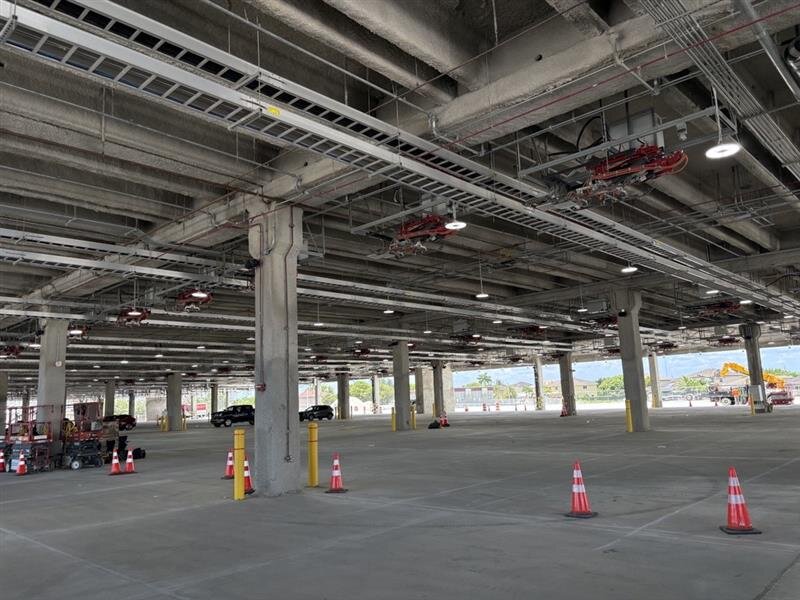
Depot charging complements this setup with longer charging periods outside regular service hours. Together, both approaches give the operator more options depending on route and operating schedule.
Built for an evolving fleet
Electric bus fleets rarely remain unchanged. New vehicles are introduced, routes are electrified and charging infrastructure is expanded.
Krakow shows how a consistent charging interface can support this development. Since 2017, Schunk Smart Charging has connected buses from two manufacturers with charging equipment from three suppliers.
For the operator, this reduces the dependency between a specific vehicle and a specific charger configuration while allowing the fleet and infrastructure to evolve.
How Schunk Smart Charging supports electric bus operation
In Krakow, the system connects the vehicle and charging infrastructure automatically and supports both opportunity charging during service and charging in the depot.
For transport operators, the main benefits are practical:
automated connection between vehicle and charging infrastructure
integration of buses and charging systems from different manufacturers
opportunity charging within the daily operating schedule
no manual handling of charging cables during pantograph charging
flexibility when expanding the fleet and charging infrastructure
The Krakow installation has been in operation since 2017 and provides a long-term example of automated electric bus charging in public transport.
Frequently asked questions about electric bus charging in Krakow
Which electric buses use Schunk Smart Charging in Krakow?
The installation includes buses from Solaris and Irizar. Schunk has supplied 132 pantographs for Solaris buses and 26 for Irizar buses.
Which charger manufacturers are used in Krakow?
The charging infrastructure includes systems from Medcom, ZPUE Włoszczowa and Ekoenergetyka.
How many Schunk pantographs are installed in Krakow?
A total of 158 Schunk pantographs are installed.
How does pantograph charging for electric buses work?
A pantograph mounted on the roof of the bus extends automatically at the charging point and connects with the overhead contact system. This establishes the conductive connection without manual cable handling.
How is opportunity charging used in Krakow?
Krakow has 19 outdoor opportunity charging points. Around 30 charging cycles take place per day, allowing buses to recharge as part of their regular operating schedule.
Built for an evolving fleet
Learn more about Schunk Smart Charging systems for electric vehicles, including solutions for opportunity charging, depot charging and automated conductive charging.
Planning an electric bus project or working with vehicles and charging infrastructure from different suppliers? Talk to the Schunk Smart Charging team about the right interface for your application.
From September 22 to 25, 2026, the Schunk Transit Systems team will be at InnoTrans in Berlin. Visit us in Hall 9, Booth 345 to discuss Smart Charging and automated charging solutions for electric buses.