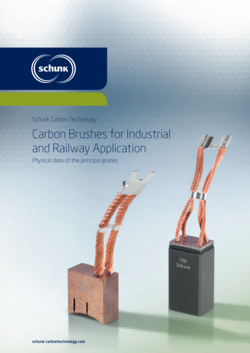
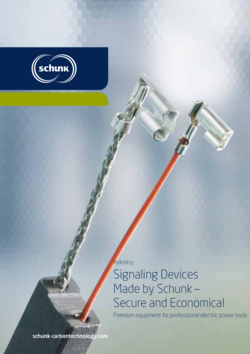
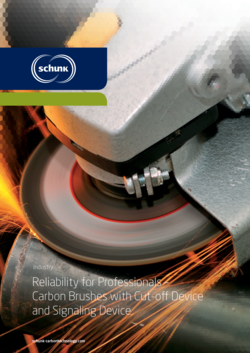
Carbon brushes: small components, big responsibilities
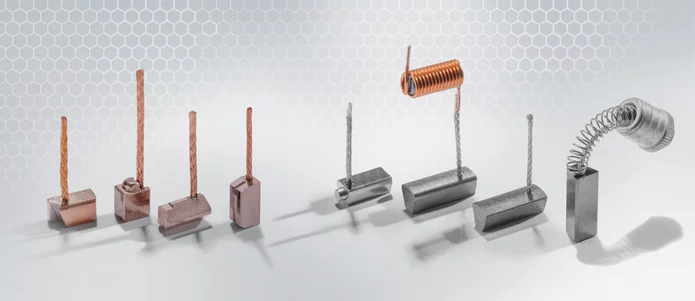
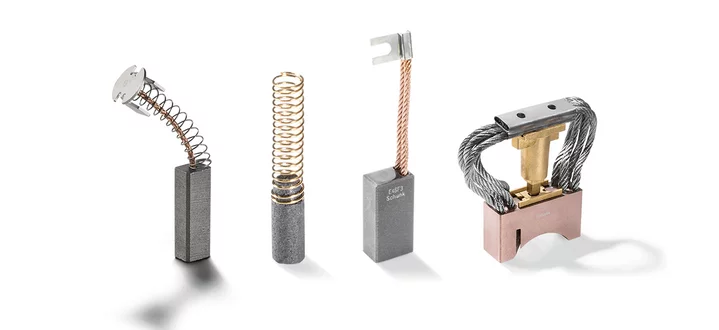
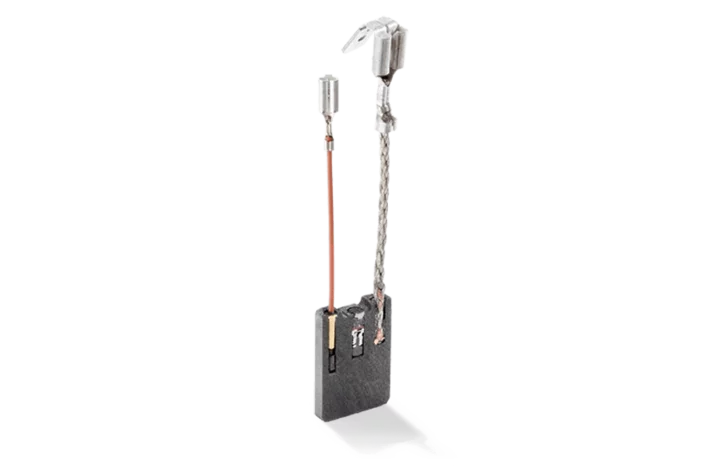
Carbon brushes are as diverse as the applications they serve. The right design depends on the specific application, the available installation space, and both the electrical and mechanical design. On the electrical side, current and power are key. On the mechanical side, the forces at work matter, such as the contact force on the commutator, vibrations and oscillations, and commutator out-of-roundness. Below, we present the key aspects that influence the design of carbon brushes.
The material
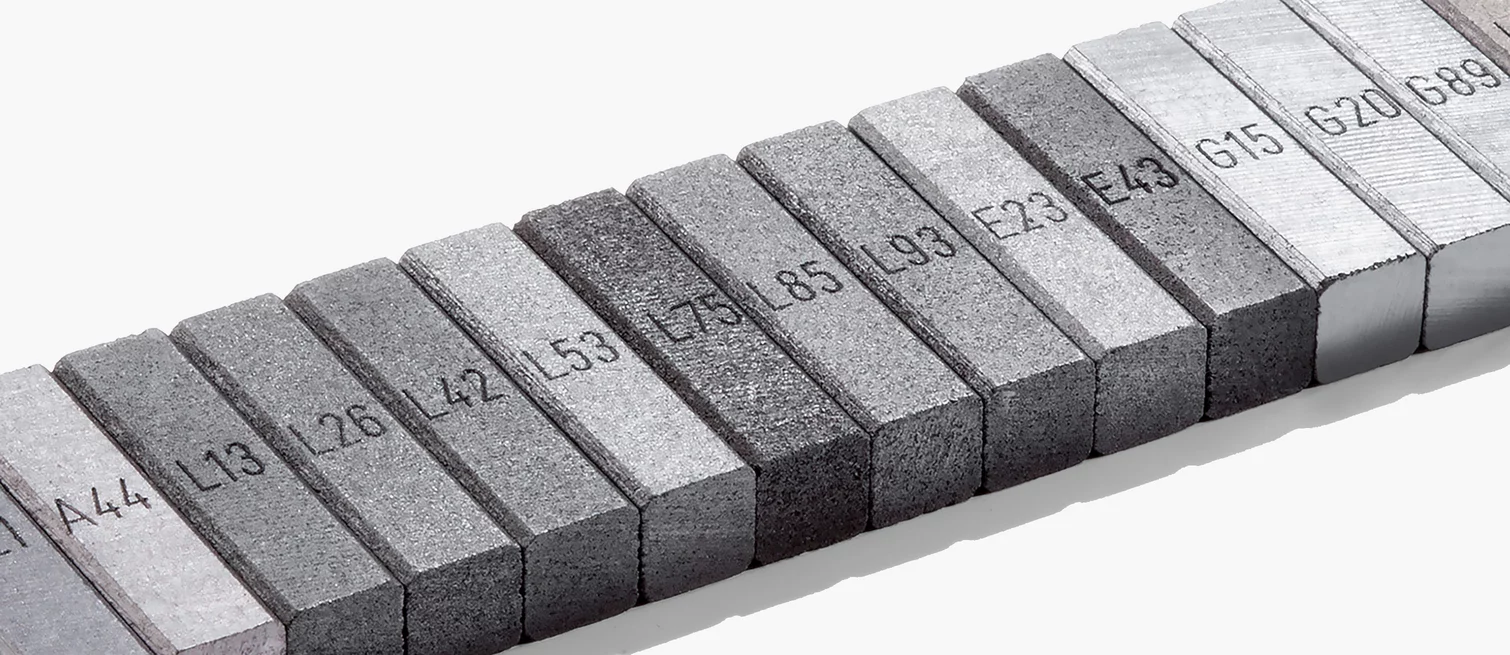
Material selection is based on decades of experience working with OEMs and system operators, combined with application-specific data. Many additional factors also influence the choice:
- Electrical properties
- Operating conditions
- Peripheral/sliding speed
- Environmental conditions such as dust, humidity, surrounding media, and temperature
- Counterpart material
- Level of vibration
- EMI susceptibility
The contact surface – in contact with the counterpart
An optimized contact surface geometry and, where necessary, various impregnations ensure that the carbon brush adapts quickly to its counterpart. This prevents pre-damage, premature wear, and extended run-in cycles of the sliding contacts.