Seattle Expands Electric Bus Charging Infrastructure with Schunk Pantographs
Lesezeit: 3 Minute(n)
Datum: 27. Mai 2026
Mobility
Ansprechpartner
Timo Staubach
Head of Battery Driven Vehicles
Kontakt aufnehmen
Experience high-power charging in real-world applications
Discover how Schunk charging solutions are used worldwide in demanding applications – from electrified heavy-duty transport to high-performance industrial environments. Our reference projects demonstrate how scalable charging infrastructure, robust contacting, and intelligent system integration deliver reliable performance in daily operation.
Seattle Expands Electric Bus Charging Infrastructure with Schunk Pantographs
Electric buses are becoming standard in public transit systems across North America. As fleets continue to grow, transit agencies face increasing pressure to scale charging infrastructure that can keep vehicles running reliably throughout the day.
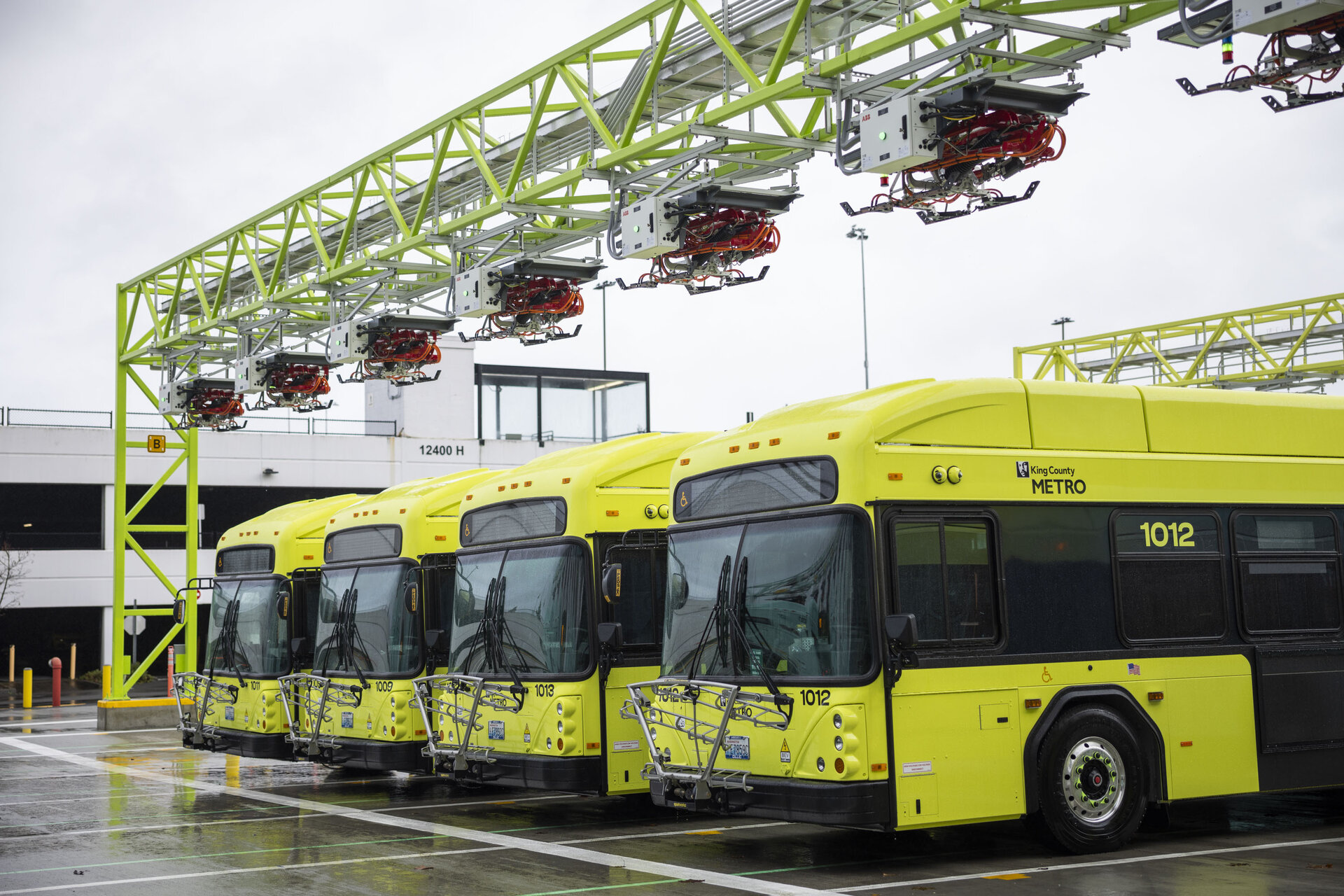
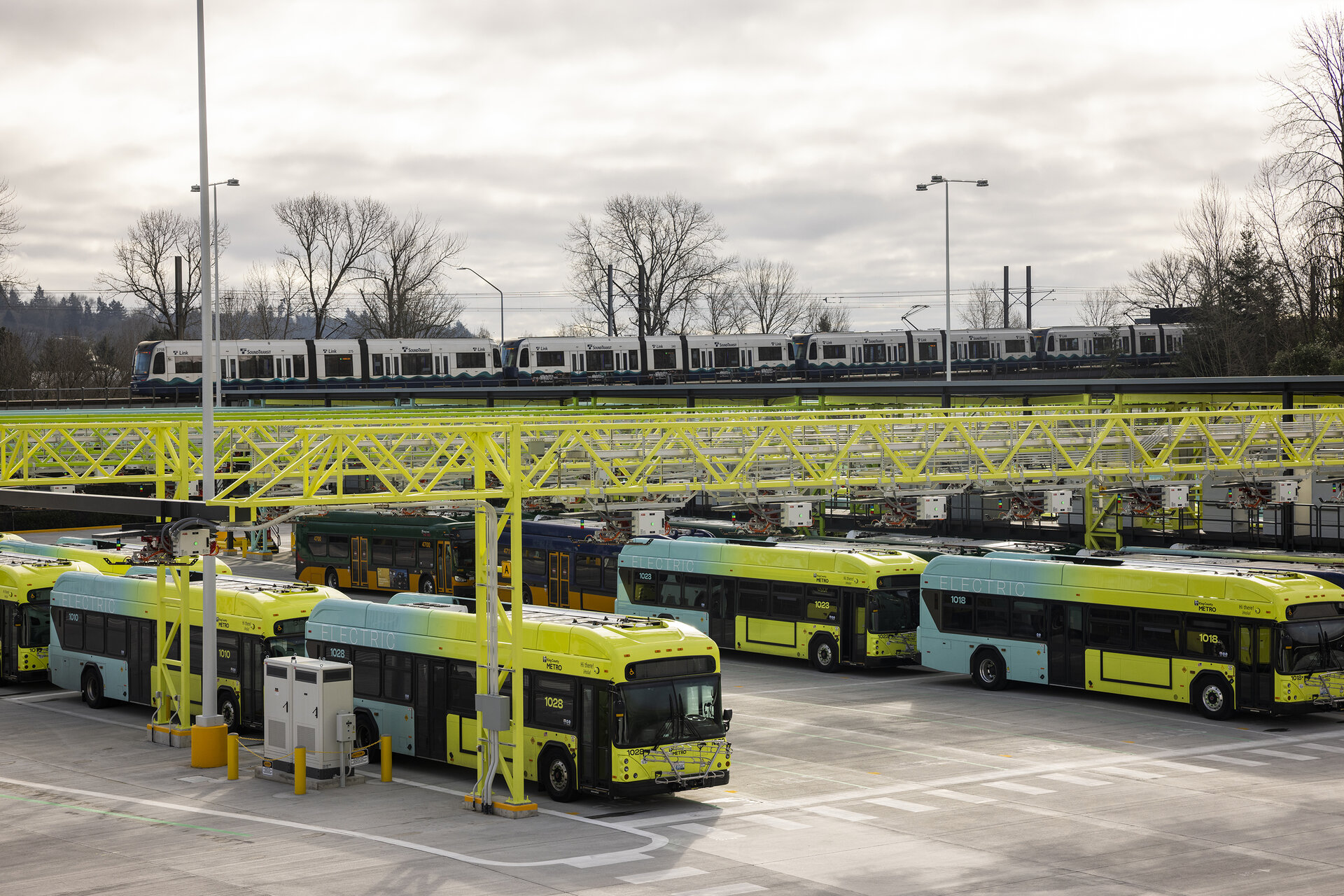
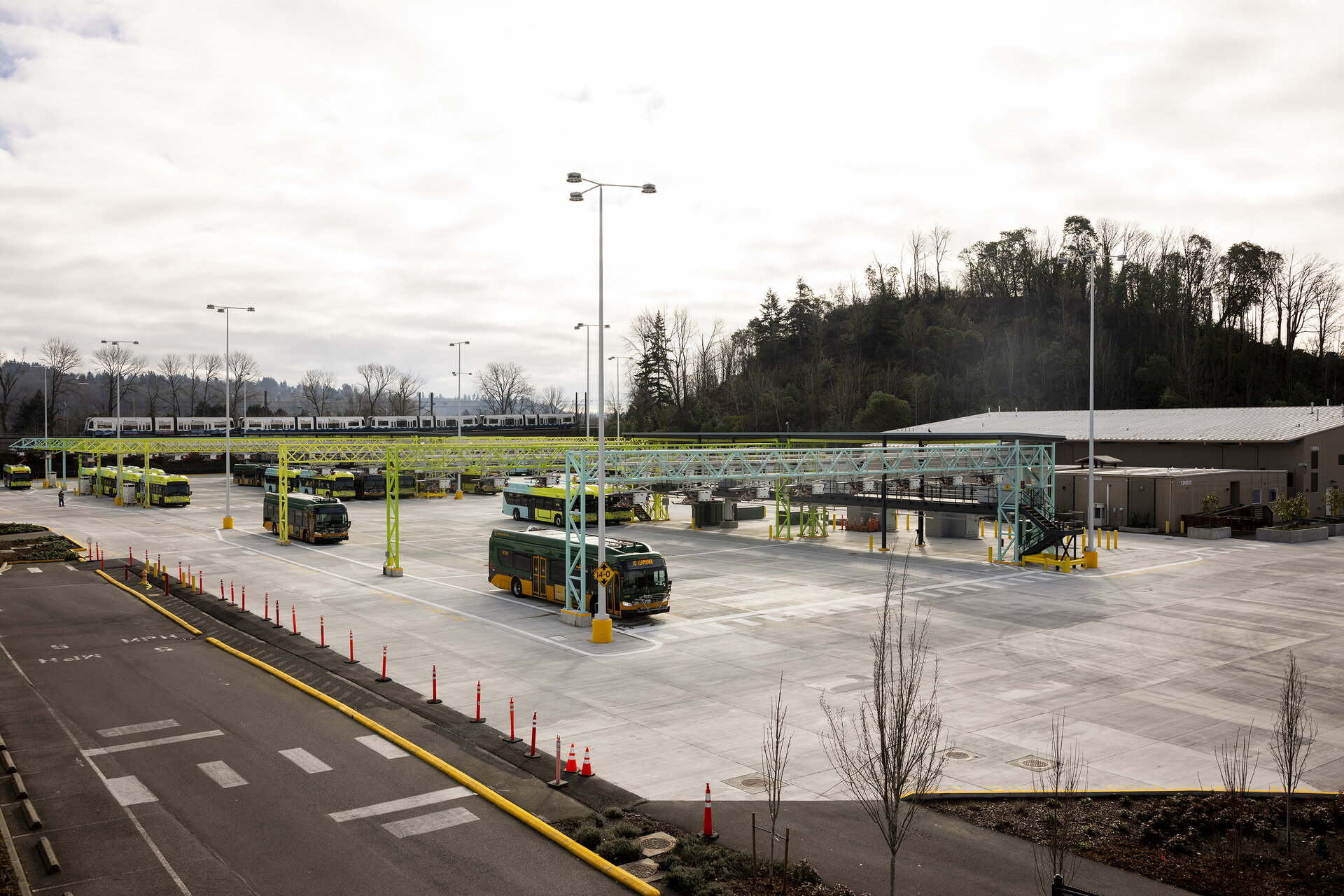
That is exactly what King County Metro is addressing in Seattle. The agency is currently expanding the charging infrastructure at its Tukwila Base depot with 123 inverted pantographs from Schunk Transit Systems.
Growing Electric Bus Fleets Require More Charging Capacity
King County Metro operates around 1,200 buses across the Seattle metropolitan area. More than 300 of those vehicles are already fully electric, alongside roughly 1,100 hybrid buses.
As electric fleets expand, depot operations become more demanding:
more charging cycles
higher energy requirements
shorter available charging windows
increasingly complex depot workflows
For transit operators, the challenge is no longer just adding chargers. The focus is shifting toward keeping vehicles available and minimizing downtime between routes.
Opportunity Charging Helps Reduce Downtime
To support daily operations, King County Metro is using opportunity charging technology. Instead of relying exclusively on overnight charging, buses can recharge during short layovers at depots or along transit routes.
The system in Seattle is based on Schunk Transit Systems’ SLS 201 pantographs. Unlike roof-mounted charging systems installed on the vehicle itself, these pantographs are integrated directly into the charging infrastructure.
The charging process is fully automated:
The pantograph lowers onto the roof of the bus
It connects with the High Power Charge Rails (HPC rails)
Direct current is then transferred directly to the battery
The system is designed for high-power charging with minimal energy loss. That allows electric buses to recharge within minutes without creating long service interruptions.
Built for Real-World Transit Operations
Charging infrastructure for public transit has to perform under constantly changing conditions. Rain, humidity, varying vehicle heights, and slight vehicle movement during charging are all part of everyday operations.
Before the larger rollout, the technology was already tested in Seattle under real operating conditions. Six SLS 201 pantographs were installed and operated in daily service. Even in high humidity and wet weather conditions, the charging connection remained stable.
A spring-based contact system helps compensate for vehicle movement during charging. Four separate contact points on the roof maintain a reliable electrical connection throughout the charging process.
The mechanical contact sequence also helps reduce wear on both the pantograph and the HPC rails.
Flexible Charging Infrastructure for Mixed Fleets
Large transit agencies rarely operate a single vehicle platform. Different bus models and vehicle heights are common in most depots.
To accommodate that, the SLS 201 pantograph was designed with a wide operating range. The system can compensate for height differences of up to 1,600 millimeters while distributing contact force evenly across all four contact points.
For operators, that means:
greater flexibility for mixed fleets
less infrastructure customization
easier scaling of depot charging systems
Manufactured in the U.S. to Meet Buy America Requirements
King County Metro also selected Schunk Transit Systems because the charging systems comply with Buy America requirements. The pantographs are manufactured at Schunk’s facility in Wisconsin and certified according to U.S. safety standards, including UL and ETL.
The project scope also includes:
commissioning support
technical training
maintenance support
Charging Infrastructure Is Becoming Critical for Zero-Emission Transit
As transit agencies continue transitioning to zero-emission bus fleets, charging infrastructure is becoming a central part of daily operations. Reliable charging, short turnaround times, and seamless depot integration are now essential requirements for large-scale electric bus operations.
Automated fast-charging systems are playing an increasingly important role — both inside depots and along high-frequency transit routes.
Schunk Transit Systems already supplies charging technology to transit systems across North America, including New York, Boston, Chicago, Toronto, and Vancouver.
Interested in more information?
Here you can find all relevant brochures, technical documents, and product information about the Schunk SLS 201.
Learn more about the Schunk SLS 201, its technical specifications, and real-world applications in high-power charging – on the product page with all the details about the solution.
Experience high-power charging in real-world applications
Discover how Schunk charging solutions are used worldwide in demanding applications – from electrified heavy-duty transport to high-performance industrial environments. Our reference projects demonstrate how scalable charging infrastructure, robust contacting, and intelligent system integration deliver reliable performance in daily operation.